(801) 278-0840
Can Smokers Get Dental Implants?

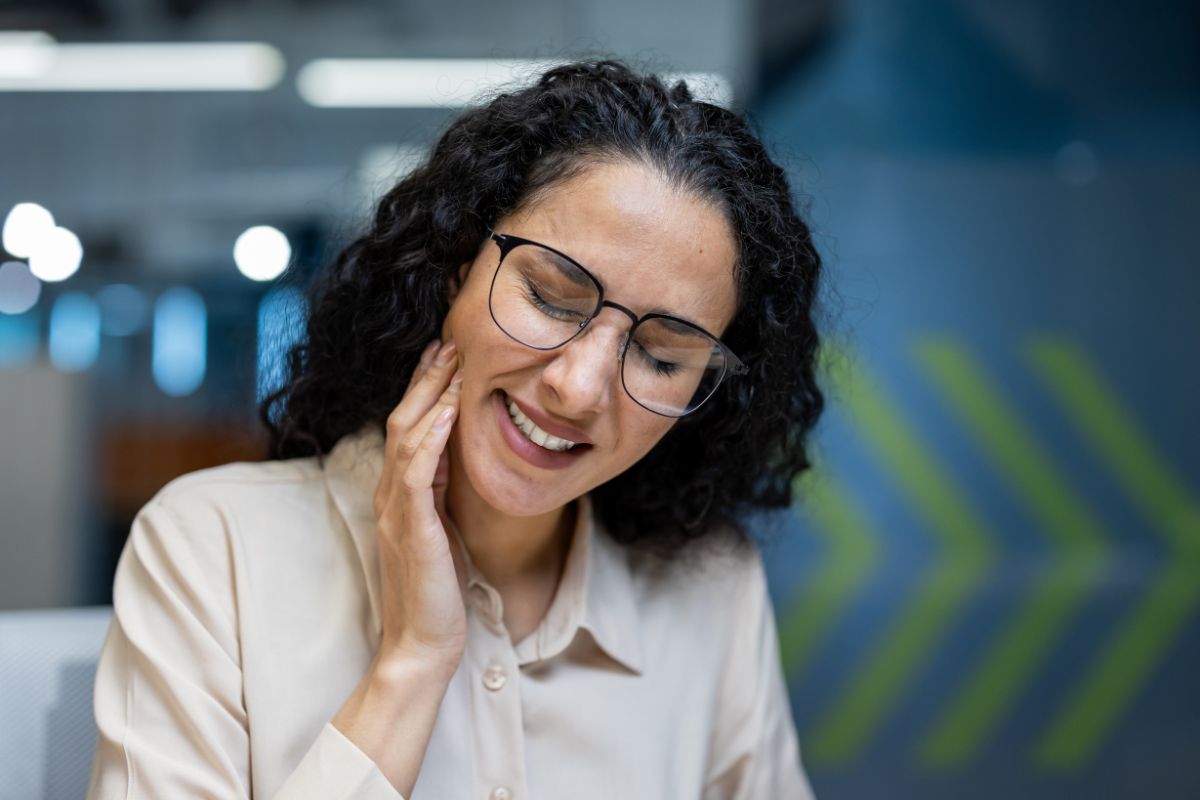
If you’re a smoker and missing a tooth, you may have wondered: “Can I still get dental implants?” The short answer is yes—but there are a few things you should know first. Dental implants are one of the most effective ways to restore your smile, but smoking can make the journey a little more challenging. Let’s break it down so you have a clear picture before making your decision.
The Link Between Smoking and Oral Health
Smoking impacts nearly every part of the body, and your mouth is no exception. Tobacco use reduces blood flow in the gums, delays healing, and increases the risk of infections. Over time, it can also contribute to gum disease, bone loss, and tooth loss—all of which are important factors when it comes to the success of dental implants.
Because implants require strong bone support and healthy gum tissue to stay stable, smoking creates additional risks that can interfere with the process.
How Smoking Affects Dental Implants
When you receive dental implants, your body goes through a natural healing process called osseointegration. This is when the implant post fuses with the jawbone to create a stable foundation for your replacement tooth.
Smoking can interfere with this process in several ways:
- Delayed healing: The chemicals in cigarettes restrict blood vessels, reducing oxygen and nutrient supply to the tissues. This slows down healing after implant surgery.
- Higher infection risk: Smokers are more prone to gum infections, which can compromise the implant site.
- Weakened bone support: Smoking contributes to bone loss over time, which is critical since implants need strong bone for stability.
- Increased risk of implant failure: Studies show that smokers have a higher rate of implant failure compared to non-smokers.
Can Smokers Still Get Dental Implants?
Yes—smokers can still get dental implants, but with some important considerations. Many smokers successfully receive implants and enjoy the benefits for years. However, the success rate is generally lower compared to non-smokers, and extra precautions are needed.
Dentists and oral surgeons often recommend quitting smoking before and after surgery to give the implants the best chance of success. Even cutting back significantly can help improve healing. In some cases, additional procedures like bone grafting may also be necessary if smoking has led to bone loss.
Tips for Smokers Considering Dental Implants
If you are a smoker and thinking about implants, here are some tips to improve your chances of success:
- Quit or reduce smoking before surgery – Ideally, stop smoking at least a few weeks before the procedure and continue abstaining during the healing phase.
- Maintain excellent oral hygiene – Brushing, flossing, and rinsing with an antibacterial mouthwash can help minimize infection risks.
- Schedule regular dental checkups – Consistent monitoring allows your dentist to detect and address any issues early.
- Follow post-surgery instructions carefully – Your dentist will provide guidelines for aftercare, which are especially important for smokers.
- Consider lifestyle changes – Reducing tobacco use overall not only benefits your dental implants but also your overall health.
Why Consultation Matters
Every patient’s situation is unique. Factors like overall health, gum condition, and bone strength all play a role in determining whether dental implants are the right solution. An experienced dentist in Salt Lake City can evaluate your oral health and provide guidance tailored to your needs, even if you’re a smoker.
Final Thoughts
So, can smokers get dental implants? The answer is yes—but with an increased risk of complications. With proper care, lifestyle adjustments, and guidance from a trusted dental professional, smokers can still achieve successful results. At Cottonwood Dental, we provide trusted care for dental implants in Salt Lake City, helping you take proactive steps to protect your investment and enjoy a stronger, healthier smile for years to come.
At our dental clinic, we are committed to helping patients make informed decisions about their oral health and achieve lasting results with personalized care. Schedule an appointment today and take the first step toward a confident, healthier smile.