(801) 278-0840
Common Problems with Dentures and How to Fix Them


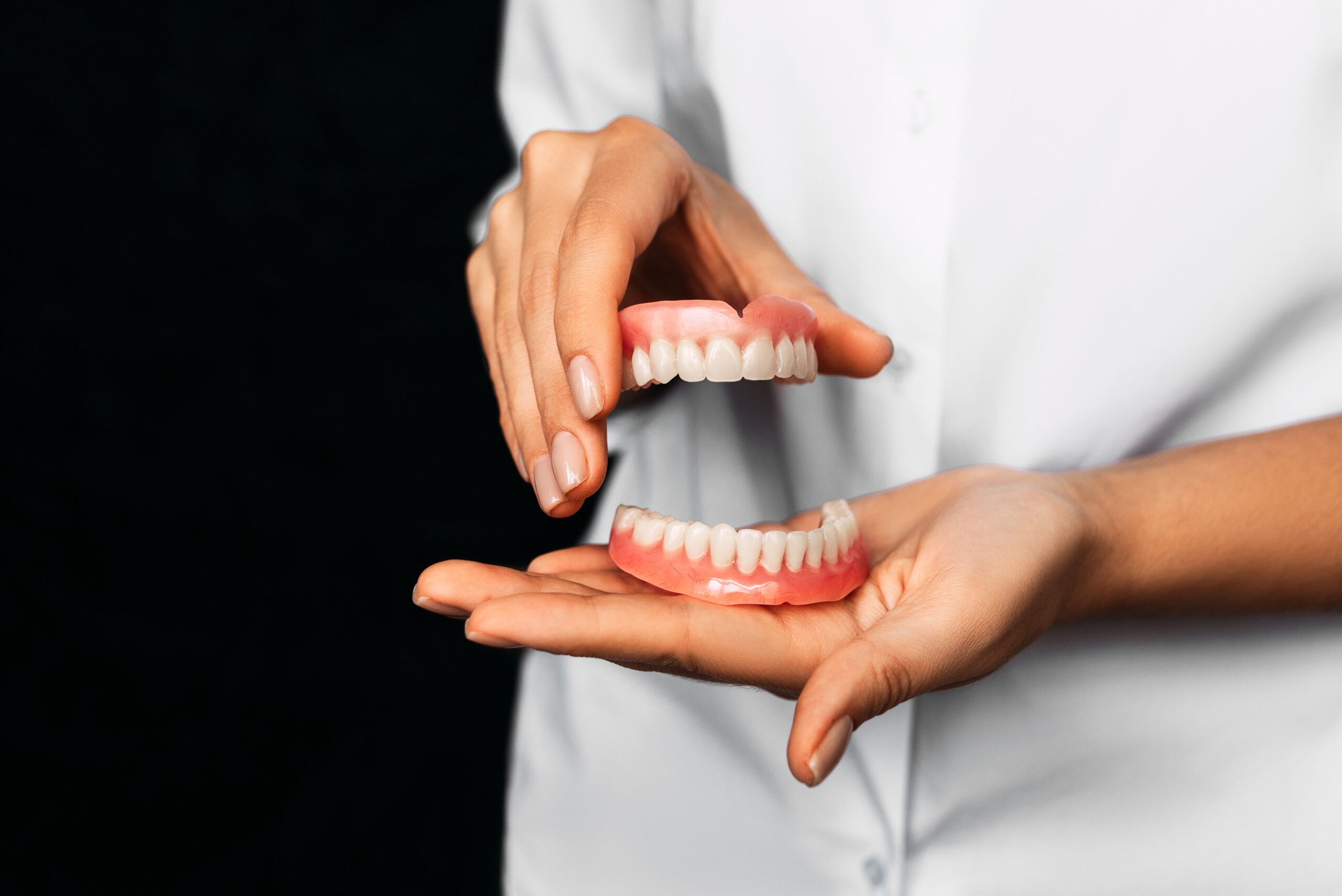
Dentures have helped millions of people restore their ability to chew, speak, and smile with confidence. While modern dentures are designed to be comfortable and functional, it’s normal for wearers to experience occasional challenges. From minor irritation to fit issues, understanding these common concerns can help you take better care of your oral health and maintain long-term comfort.
For individuals who wear dentures, learning about potential problems and how to manage them can make daily life much easier. Many people choose custom dentures to regain normal chewing and speaking ability. With the right habits and professional guidance, most denture-related issues can be addressed effectively.
Why Denture Problems Sometimes Occur
Even well-made dentures may require adjustments over time. Your mouth naturally changes as you age, especially after tooth loss. The gums and jawbone can gradually shift, which may affect how dentures fit and feel.
In addition, daily wear, eating habits, and oral hygiene routines can influence the condition of your dentures. Being aware of common problems allows you to identify them early and seek appropriate guidance before discomfort worsens.
Loose or Slipping Dentures
Why It Happens
One of the most common concerns denture wearers experience is looseness. Over time, the jawbone beneath the dentures can shrink slightly due to natural bone remodeling after tooth loss. As the bone changes shape, dentures may not fit as snugly as they once did.
How It Can Be Managed
If your dentures begin to slip while talking or eating, maintaining good oral hygiene and cleaning the dentures thoroughly can sometimes improve stability. However, persistent looseness usually indicates that the fit needs professional evaluation. Regular dental visits can help monitor changes in the mouth and ensure your dentures continue to function comfortably.
Gum Irritation and Sore Spots
Why It Happens
New dentures or poorly fitting dentures may create pressure points on the gums. This friction can lead to irritation, redness, or small sore areas. These discomforts often occur during the adjustment period as your mouth gets used to wearing dentures.
What Helps
Giving your gums time to rest can help reduce irritation. Removing dentures at night allows oral tissues to recover and maintain healthy circulation. Gentle cleaning and proper denture care also help minimize bacteria that may worsen gum irritation.
If soreness continues, it’s important to have the fit checked by a dental professional. Small adjustments can make a significant difference in comfort.
Difficulty Speaking Clearly
Why It Happens
When someone first begins wearing dentures, certain words may feel harder to pronounce. This happens because the tongue and facial muscles need time to adapt to the new shape and position of the dentures.
What Helps
Practicing speaking out loud and reading slowly can help your mouth adjust more quickly. Over time, most denture wearers naturally adapt, and speech returns to normal as the muscles become more familiar with the dentures.
Trouble Chewing Certain Foods
Why It Happens
Chewing with dentures can feel different from chewing with natural teeth. Some foods may require more effort, particularly during the initial adjustment period.
What Helps
Starting with softer foods and cutting meals into smaller pieces can make eating more comfortable. Chewing evenly on both sides of the mouth also helps maintain balance and prevents dentures from shifting. Gradually, most people regain confidence in eating a wide range of foods.
Dentures Causing Dry Mouth
Why It Happens
Some denture wearers notice changes in salivary production. A dry mouth can make dentures feel less comfortable and may increase the risk of irritation.
What Helps
Staying hydrated throughout the day supports healthy saliva flow. Drinking water regularly and maintaining good oral hygiene can help keep the mouth comfortable. If dryness continues, discussing the issue with a dental professional can help identify possible solutions.
Dentures Developing Odor or Stains
Why It Happens
Like natural teeth, dentures can collect plaque, food particles, and bacteria. Without proper cleaning, this buildup may cause unpleasant odors or visible stains.
What Helps
Daily cleaning is essential for keeping dentures fresh and hygienic. Using a soft denture brush and recommended cleaning products helps remove debris and maintain their appearance. Proper care also protects the health of the gums and surrounding oral tissues.
People who wear dentures in Salt Lake City often benefit from routine dental visits that help monitor denture condition and ensure long-term oral health.
Dentures Click When You Talk
Why It Happens
Some denture wearers notice a clicking sound when they speak. This usually occurs when dentures move slightly out of position as the mouth opens and closes. It may happen if the dentures feel slightly loose, if the bite alignment needs adjustment, or while the mouth is still adapting to the presence of dentures.
In many cases, this clicking sound occurs during the early adjustment period, when the tongue, lips, and facial muscles are learning to work with dentures.
How to Fix It
Practicing speaking slowly and clearly can help your mouth adapt to dentures more comfortably. Reading aloud or repeating certain words can improve muscle coordination and reduce movement while speaking. It can also help to pause slightly between sentences as your mouth adjusts to the dentures.
If the clicking continues or becomes noticeable during everyday conversations, it may be a sign that the dentures need a small professional adjustment. A dental professional can evaluate the fit and make minor modifications to improve stability and reduce unwanted movement while talking.
How Regular Dental Visits Support Denture Comfort
Even though dentures replace missing teeth, routine dental visits remain important. A dental professional can evaluate the health of your gums, check how your dentures fit, and identify early signs of irritation or wear.
Consistent care helps prevent small issues from turning into larger problems. Professional guidance also ensures that your dentures continue to support comfortable speaking, eating, and smiling.
Keep Your Smile Comfortable and Confident with Cottonwood Dental
Living with dentures should feel comfortable and empowering, not frustrating. Understanding common denture concerns and addressing them early can help you maintain a healthier smile and better daily comfort. At Cottonwood Dental, we are committed to supporting patients with reliable guidance and compassionate care so they can feel confident about their oral health. If you have questions about wearing dentures in Salt Lake City or are experiencing discomfort, visiting a trusted dental professional can help you find the right solution. Visit our dental clinic to maintain a confident, comfortable smile—schedule an appointment today and take the next step toward better oral health. Schedule an appointment today and take the next step toward better oral health.