
(801) 278-0840
Can a Root Canal Be Done on a Cracked Tooth?

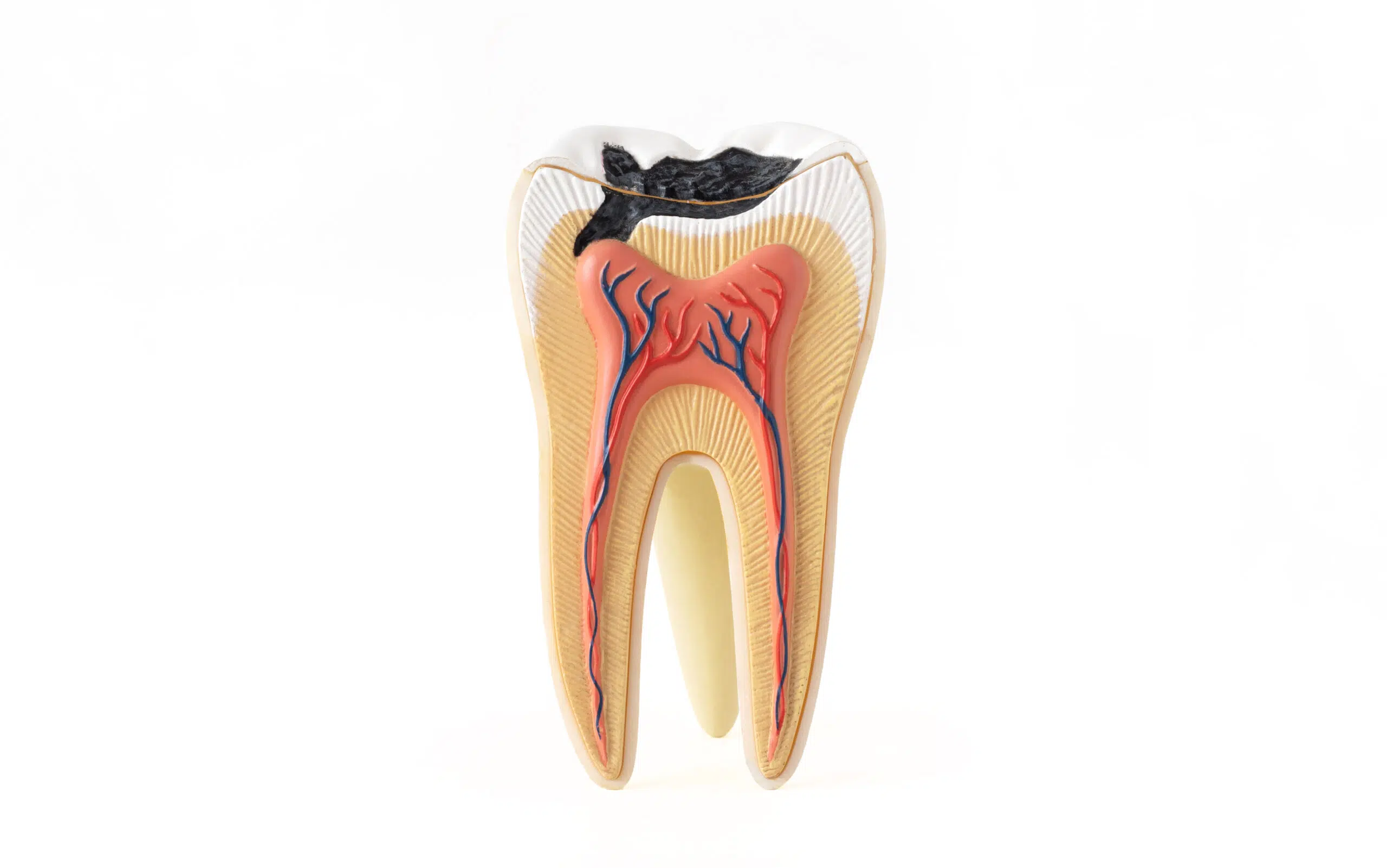
A cracked tooth can be an alarming and often painful dental issue. Many patients wonder whether a root canal is a viable treatment option in such cases. The answer depends on the type, severity, and location of the crack. Understanding how root canals work, when they are recommended, and what factors affect their success can help you make informed decisions about your dental health.
Understanding Tooth Cracks
Not all cracked teeth are the same. Some fractures are minor and only affect the enamel, while others extend deep into the tooth’s structure. Common types of cracks include:
- Craze lines – Tiny, surface-level cracks in the enamel that usually don’t require treatment.
- Fractured cusp – A break around a dental filling, which may or may not affect the pulp.
- Cracked tooth – A crack that extends from the chewing surface toward the root but doesn’t split the tooth completely.
- Split tooth – A more advanced crack where the tooth separates into distinct segments.
- Vertical root fracture – A crack that starts in the root and extends upward toward the crown.
Understanding which category your tooth falls into is key to determining whether a root canal is appropriate.
When a Root Canal Is Recommended
A root canal becomes necessary if the crack has reached the inner pulp of the tooth, where the nerves and blood vessels are located. Once the pulp is compromised, it can cause pain, sensitivity, or infection. Root canals help save the tooth by removing the damaged pulp, disinfecting the inner chamber, and sealing it to prevent further issues.
Our root canal treatment in Salt Lake City provides a reliable way to preserve the natural tooth and restore function. However, the treatment’s success depends on how far the crack has progressed.
Factors That Influence Treatment Success
Whether a root canal is possible depends on several important factors:
- Depth of the crack – Shallow cracks may not require root canal therapy, while deeper ones that reach the pulp often do.
- Location of the crack – Cracks confined to the crown are easier to treat than those that extend into the root.
- Tooth stability – If the tooth is split or severely fractured, extraction may be the only option.
- Timing – Prompt dental care increases the chances of saving the tooth with a root canal.
The sooner you see a dentist after noticing a crack, the better your chances of a successful outcome.
Symptoms That May Indicate the Need for a Root Canal
Cracked teeth don’t always cause obvious symptoms, but when they do, they may include:
- Sharp pain when chewing or biting
- Sensitivity to hot, cold, or sweet foods
- Swelling or tenderness around the gumline
- Intermittent discomfort that comes and goes
If you experience these symptoms, it’s important to schedule an appointment with your dentist for an evaluation.
Preventing Further Damage
While some cracks are unavoidable due to accidents or wear, you can take steps to protect your teeth:
- Avoid chewing on hard foods, ice, or non-food objects.
- Wear a nightguard if you grind your teeth.
- Use a mouthguard when playing sports.
- Maintain regular dental check-ups for early detection of issues.
Final Thoughts
A root canal can often save a cracked tooth, but its success depends on the severity and location of the fracture. The best way to determine the right treatment is through a thorough dental evaluation. At Cottonwood Dental, our experienced team is dedicated to providing gentle, personalized care for root canals and cracked teeth, helping you maintain a healthy, confident smile.
At our dental clinic in Salt Lake City, we take pride in delivering expert, patient-focused care that helps preserve your natural smile and restore your comfort. Schedule an appointment today and take the first step toward protecting your oral health with confidence.
FAQs
1. Can a cracked tooth always be treated with a root canal?
Not always. If the crack extends below the gum line or into the root, extraction may be necessary.
2. How do I know if my cracked tooth needs a root canal?
Persistent pain, sensitivity, or swelling are common signs. A dentist can confirm with an exam and X-rays.
3. Is a root canal painful on a cracked tooth?
Modern root canal treatments are typically comfortable, with only mild soreness afterward.
4. What happens if a cracked tooth is left untreated?
It may worsen over time, leading to infection, tooth loss, or more complex dental issues.
5. How long does a root canal on a cracked tooth last?
With proper care and a protective crown, results can last many years — sometimes even a lifetime.