
(801) 278-0840
Can Too Much Fruit Cause Cavities?

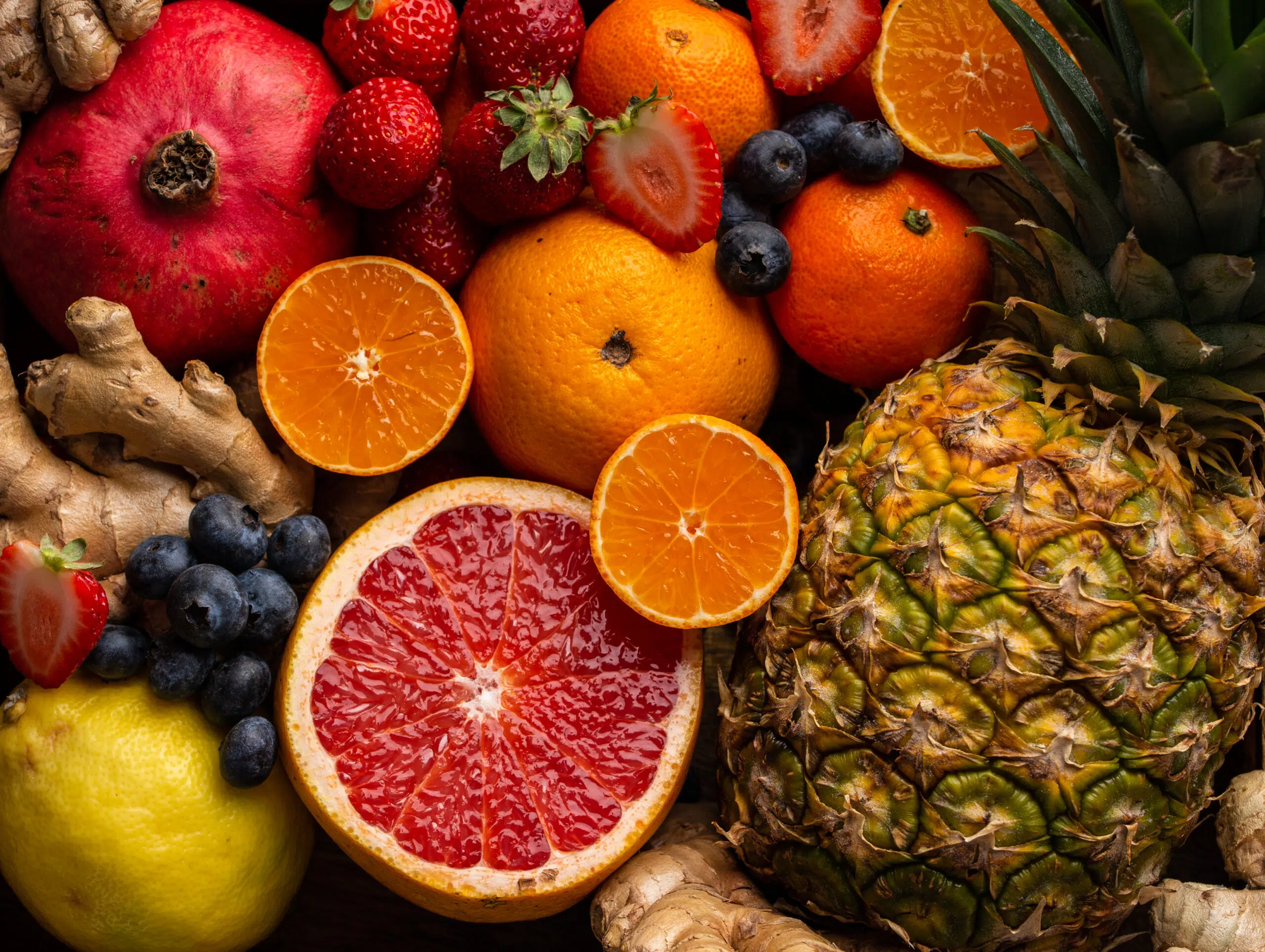
Fruit is one of nature’s healthiest gifts — packed with vitamins, antioxidants, and fiber that benefit your overall health. From sweet strawberries to juicy oranges, fruit can be an important part of a balanced diet. But while fruit is good for your body, you may wonder: Can eating too much fruit harm your teeth? The answer isn’t as simple as “yes” or “no,” and understanding why can help you make healthier choices for your teeth.
Understanding the Link Between Fruit and Cavities
Cavities form when bacteria in your mouth feed on sugars, producing acids that wear away your tooth enamel. Over time, this can lead to decay, sensitivity, and more serious dental issues. While fruit is a natural source of sugar — often referred to as “fructose” — it can still feed cavity-causing bacteria.
The difference between fruit sugar and processed sugar lies in the packaging. Fresh fruit also contains water, fiber, and nutrients, which slow down sugar absorption, making it a healthier choice. However, the sugar in fruit still interacts with oral bacteria in the same way processed sugar does. That means frequent exposure — especially without proper oral hygiene — can increase your risk of cavities.
The Role of Acidity in Fruit
It’s not just sugar that can harm your teeth — acid plays a big role, too. Certain fruits, especially citrus varieties like oranges, lemons, and pineapples, are naturally acidic. Acid can soften tooth enamel, making it more vulnerable to erosion and decay.
When you eat acidic fruit often, your enamel doesn’t always have enough time to repair itself before the next acid exposure. Over time, this can lead to enamel thinning, sensitivity, and discoloration. Our dentist in Salt Lake City can recommend balancing your fruit intake with other foods and taking proactive steps to protect your enamel.
Dried Fruit: A Hidden Cavity Risk
While fresh fruit poses some risk if consumed excessively, dried fruit can be an even bigger concern. Raisins, dates, figs, and dried apricots are sticky and cling to your teeth, keeping sugar in contact with enamel for longer periods. This prolonged exposure gives bacteria more time to produce harmful acids.
If you enjoy dried fruit as a snack, be sure to rinse your mouth with water afterward and brush your teeth when possible.
How Much Fruit is Too Much for Your Teeth?
There’s no one-size-fits-all number, but moderation is key. The American Heart Association recommends limiting added sugar intake to about 25 grams per day for women and 36 grams for men — but this doesn’t mean you need to avoid fruit entirely. Instead, focus on variety and balance. Pair fruit with protein or dairy (like cheese or yogurt) to help neutralize acids and reduce sugar’s impact on your teeth.
Tips to Enjoy Fruit Without Harming Your Smile
As a patient-focused dentist in Salt Lake City, we encourage you to enjoy fruit — but in ways that protect your oral health:
- Limit constant snacking – Eating fruit in one sitting rather than grazing all day reduces the amount of time your teeth are exposed to sugar and acid.
- Rinse after eating – Swishing with water helps wash away acids and sugars.
- Eat fruit with meals – Your mouth produces more saliva during meals, which naturally helps neutralize acids.
- Choose fresh over dried – Fresh fruit is less sticky and often less concentrated in sugar.
- Avoid brushing immediately after acidic fruit – Wait at least 30 minutes to allow enamel to re-harden before brushing.
- See your dentist regularly – Professional check-ups can help spot and treat early signs of decay before they become serious problems.
What About Fruit Juices and Smoothies?
Fruit juices and smoothies may seem like healthy choices, but they can be surprisingly high in sugar and acidity even without added sweeteners. Because they’re liquid, they coat your teeth easily, and sipping them over time keeps your enamel under constant attack.
If you enjoy fruit juices or smoothies, try to:
- Drink them with a straw to reduce contact with your teeth.
- Enjoy them with a meal instead of sipping slowly throughout the day.
- Follow up with water to help rinse your mouth.
The Bottom Line
Fruit is an important part of a healthy diet, but like anything, too much of a good thing can have downsides. Excessive fruit consumption — especially acidic or sticky varieties — can increase your risk of cavities if you’re not mindful of your oral care routine. With balanced eating habits and proper dental hygiene, you can enjoy the benefits of fruit while keeping your smile strong and healthy.
If you have concerns about how your diet may be affecting your teeth, Cottonwood Dental can help you create a personalized plan to protect your oral health.
At our dental clinic in Salt Lake City, we combine expertise, patient-centered care, and advanced knowledge to help you maintain a healthy, confident smile for years to come. Schedule an appointment today to keep your smile healthy and strong.