(801) 278-0840
How to Eliminate Bad Breath After Brushing


Even after brushing your teeth, many people notice lingering bad breath, also known as halitosis. This can be frustrating and affect your confidence in social and professional settings. Understanding the causes and strategies for maintaining fresh breath is key to effective oral health. With a proactive approach to dental care, you can significantly reduce bad breath and enjoy a cleaner, fresher mouth.
Why Does Bad Breath Persist After Brushing?
Bad breath after brushing isn’t always a sign that you’re neglecting your oral hygiene. Several factors can contribute:
1. Bacteria Buildup in Hard-to-Reach Areas
Brushing alone often misses areas like the back of the tongue, between teeth, and around dental restorations. Bacteria that accumulate in these spaces release sulfur compounds, which are the primary cause of unpleasant odors.
2. Dry Mouth
Saliva helps naturally cleanse the mouth. When your mouth is dry, bacteria multiply more quickly, leading to persistent bad breath. Causes of dry mouth include dehydration, certain medications, or breathing through your mouth while sleeping.
3. Food Particles
Even small remnants of food stuck between teeth or on the tongue can start to decompose, creating odors. Strong-smelling foods like garlic, onions, or spicy meals can linger despite brushing.
4. Underlying Dental or Health Issues
Persistent bad breath may indicate gum disease, tooth decay, or other oral health concerns. In some cases, it can also be linked to digestive or respiratory conditions. Regular check-ups with a dentist can help identify and address these issues promptly.
Practical Steps to Freshen Your Breath After Brushing
Maintaining a clean mouth goes beyond just brushing. Here are proven steps to eliminate bad breath effectively:
1. Brush and Floss Thoroughly
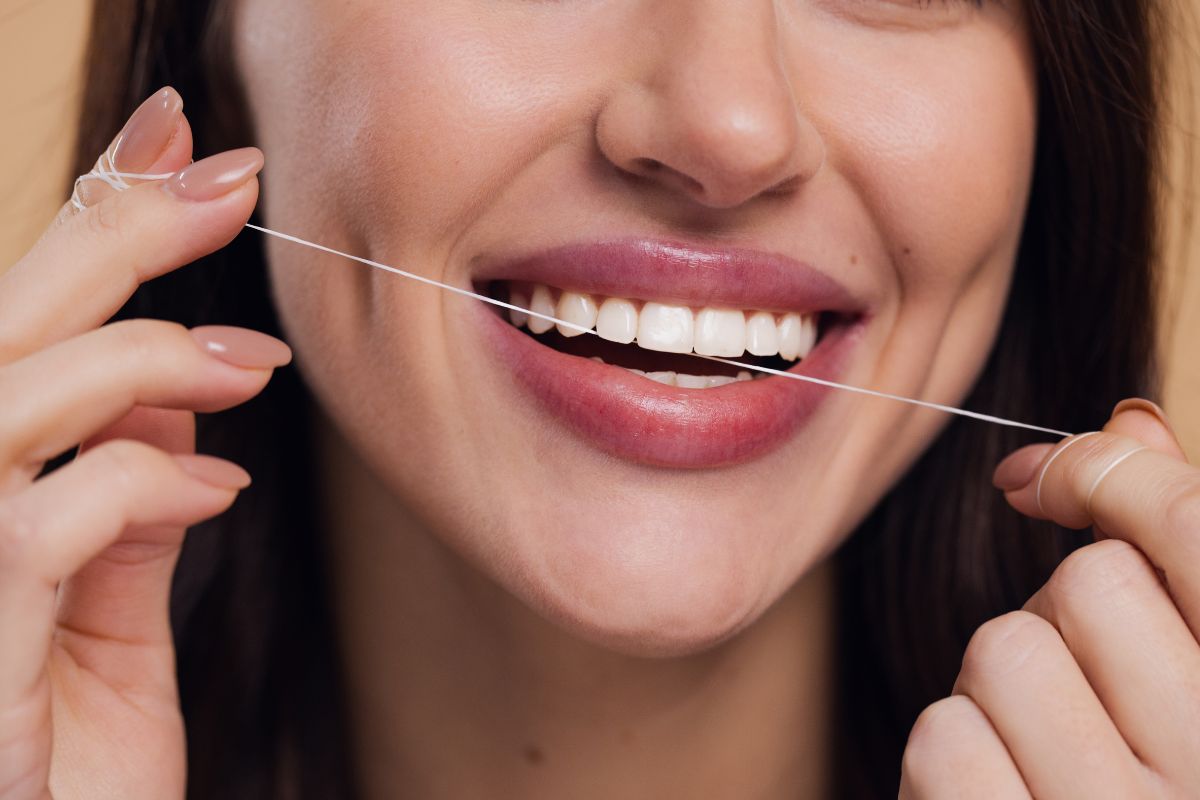
Use a soft-bristled toothbrush to brush at least twice a day, making sure to reach every surface of your teeth. Incorporate flossing daily to remove trapped food particles between teeth that brushing can’t reach.
2. Clean Your Tongue
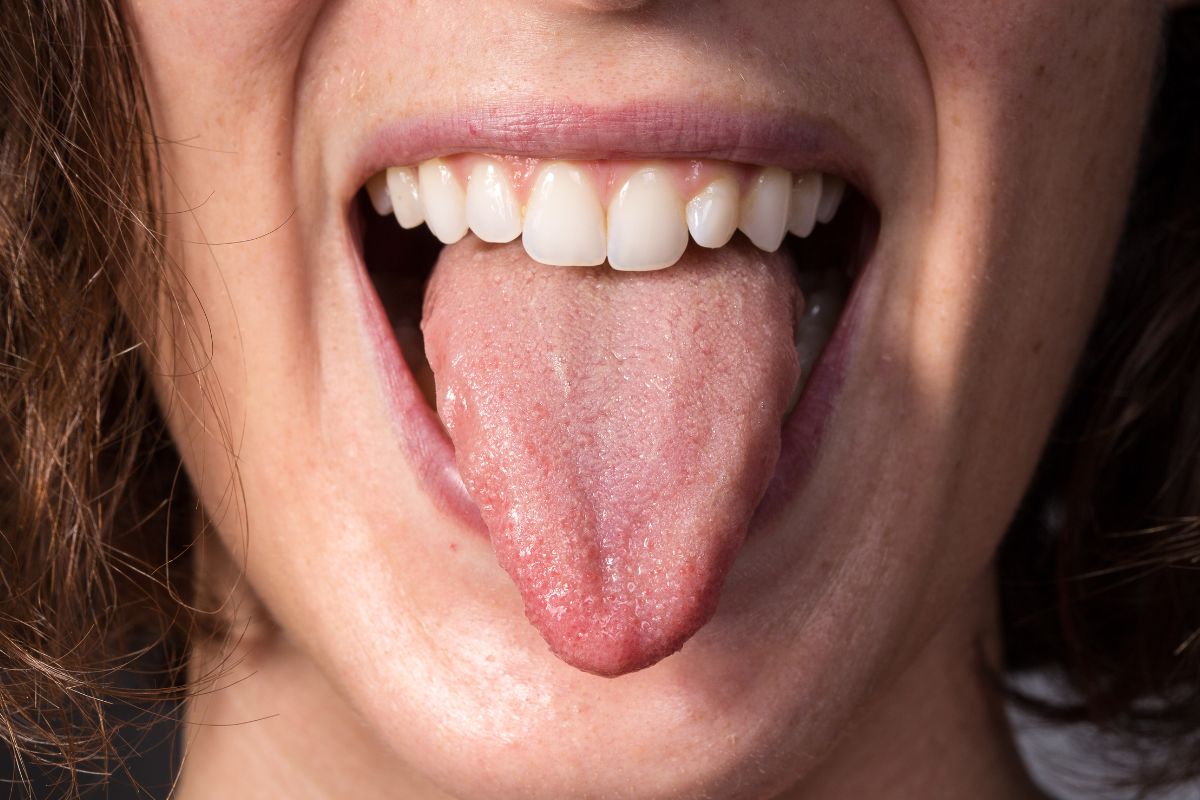
The tongue can harbor bacteria that produce odor. Gently brush your tongue or use a tongue scraper to reduce bacterial buildup.
3. Stay Hydrated
Drinking plenty of water supports saliva production, which naturally cleanses the mouth and neutralizes odors. Avoid excessive caffeine or alcohol, as they can contribute to dry mouth.
4. Rinse with an Antibacterial Mouthwash
An antibacterial mouthwash can reduce bacterial growth, helping you maintain fresher breath between brushings. Look for alcohol-free options to prevent further dryness.
5. Eat a Balanced Diet
Crunchy fruits and vegetables like apples, carrots, and celery help clean teeth naturally while stimulating saliva flow. Limiting sugary and acidic foods can also reduce bacterial growth.
6. Address Underlying Dental Health Issues
Regular dental check-ups are crucial. Cavities, gum inflammation, and other oral health problems can contribute to persistent bad breath. Our dentist can provide guidance tailored to your specific needs.
Additional Tips for Long-Lasting Fresh Breath
- Chew sugar-free gum after meals to stimulate saliva and neutralize odors.
- Avoid smoking and tobacco products, which are major contributors to halitosis.
- Replace your toothbrush every 3–4 months or sooner if the bristles are frayed.
- Consider regular professional cleanings to remove tartar and bacteria buildup that brushing and flossing can’t reach.
Confidently Maintain Fresh Breath with Cottonwood Dental
Maintaining fresh breath after brushing is achievable with consistent, informed dental care. At Cottonwood Dental, we prioritize patient education and a gentle, evidence-based approach to oral health. Our team helps you identify the root causes of bad breath and provides practical strategies to maintain a clean, healthy mouth every day. With our guidance, you can confidently manage halitosis while supporting overall oral health. Schedule an appointment today to take the first step toward a fresher, healthier smile.