(801) 278-0840
Essential Tips for Eating Comfortably with Dentures


Getting used to dentures can be challenging, especially when eating. However, you can enjoy meals without discomfort or frustration with the proper guidance. Adjusting to dentures doesn’t have to mean sacrificing comfort or your favourite foods.
Let’s explore some essential tips to help you eat comfortably with dentures supported. This blog will discuss expert denture services and the food items you can enjoy.
What Are Dental Dentures?
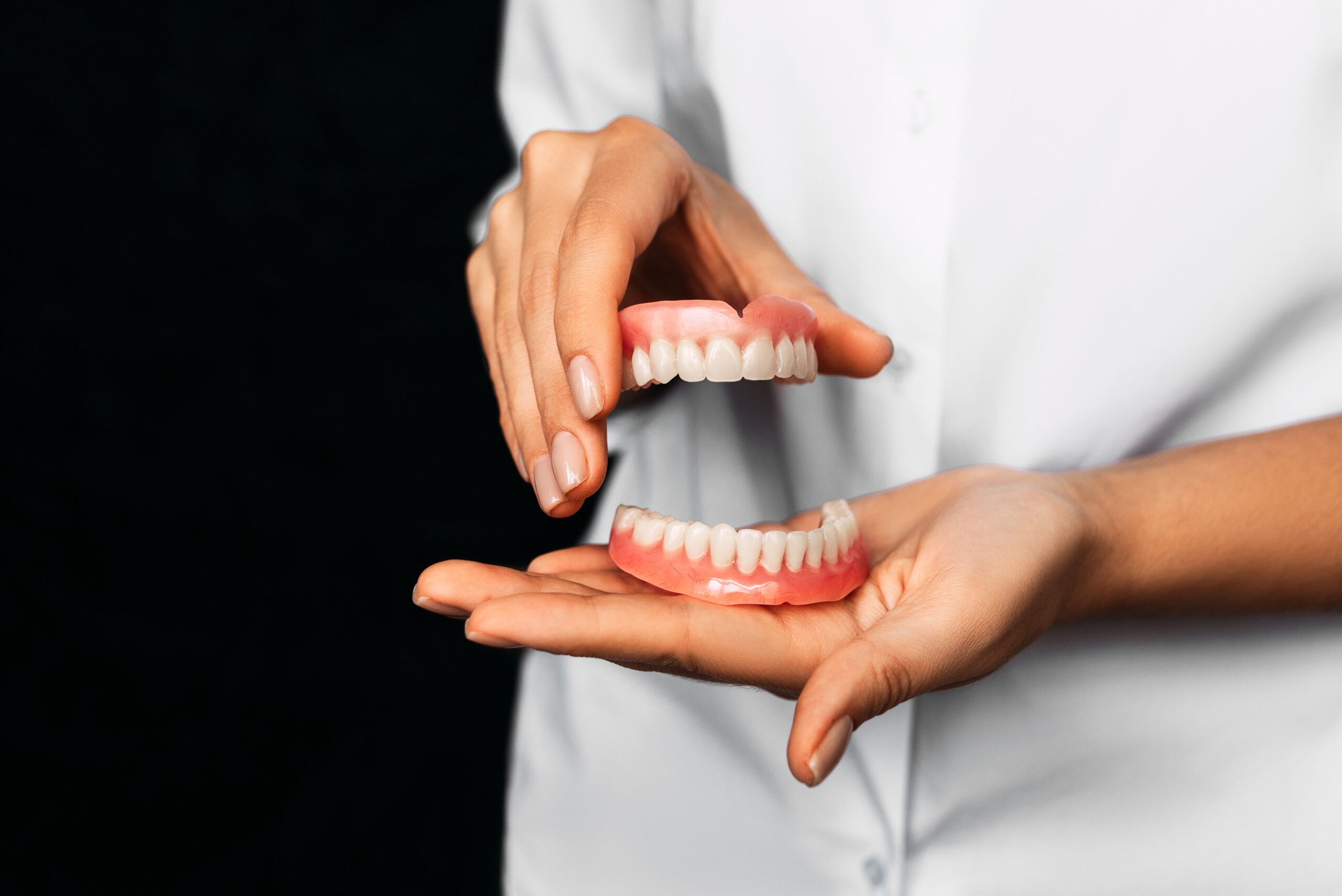
Dental dentures are custom-made appliances that replace missing teeth. Whether full or partial, dentures support the facial structure, enhance speaking abilities, and restore the ability to chew. Getting dentures usually requires several appointments to complete the process. Following an initial consultation, your dentist in Salt Lake City will create impressions of your mouth to guarantee the dentures fit snugly and comfortably.
The denture creation process involves precise lab work to tailor them to the unique shape of your mouth. You’ll regain oral function with your new dentures, but there’s an adjustment period where eating and speaking might feel different. Following the tips below can make this transition smoother.
Tips for Eating Comfortably with Dentures
1. Start Slowly
In the initial days of wearing dentures, choose softer foods that are easier to chew. Soups, mashed potatoes, and scrambled eggs can be excellent starting options. Soft foods help reduce strain on your gums while you adapt to the feeling of dentures in your mouth.
2. Chew Evenly
Distribute food evenly on both sides of your mouth to maintain proper denture balance. This spots on one side even distribution reduces pressure points, preventing the dentures from shifting or causing sore
3. Be Careful of Hot Liquids
Gauging temperatures with dentures can be brutal, increasing the risk of burns. Sip hot drinks like coffee or tea cautiously until you’re used to the sensation. This practice protects you from burns and helps you adjust to eating comfortably with dentures.
4. Cut Your Food into Smaller Pieces
Cutting food into smaller pieces makes it easier to chew, especially with new dentures. Smaller bites prevent excessive pressure on the dentures, allowing for a more manageable eating experience. You’ll enjoy your meals more without struggling to bite into challenging or large pieces.
5. Be Mindful of Tough Foods
Steer clear of especially tough foods that might loosen your dentures or put extra pressure on your gums. Foods like raw vegetables, nuts, and steak can be hard to chew, especially in the early stages of denture adjustment.
6. Be Careful with Sticky Foods
Sticky foods such as caramel, taffy, and chewing gum can loosen dentures or cause them to stick, leading to discomfort and difficulty while eating. Sticky foods are best avoided, as they can cause dentures to shift unexpectedly.
7. A Little Soreness is OK
Feeling slight soreness in your gums is normal as you adapt to dentures. If you experience persistent discomfort, however, consult your dental provider. A minor adjustment may be needed to alleviate any soreness and ensure your dentures fit correctly.
Dietary Suggestions for Denture Wearers
Choosing the right foods can help you enjoy meals without discomfort. Denture wearers often find certain food groups more straightforward while providing essential nutrients.
Dairy
Dairy products such as yoghurt, milk, and cheese provide an excellent source of protein and calcium. These are easy to chew, won’t pressure the gums, and offer nutritional benefits that support oral and bone health.
Meat
Soft-cooked meats, such as ground beef, shredded chicken, or fish, are easier to eat with dentures. Consider slow-cooked or stewed meats for easier digestion and chewing.
Fruit
Soft fruits like bananas, melons, and berries are gentle on dentures and provide essential vitamins. Cut or cook more complex fruits like apples into thin slices to soften the texture.
Starches
Soft starches, such as mashed potatoes, rice, and pasta, can be filling and comfortable to chew. These foods provide energy without straining your gums or dentures. Avoid hard, crusty bread, which can be challenging for new denture wearers.
Adapting to dentures may take some time, but eating can be an enjoyable experience with the right approach. These tips and dietary suggestions can help you gain confidence with your new smile.
Remember that denture services at Cottonwood Dental are here to support you throughout this journey. Whether routine adjustments or care advice, professional support can make all the difference. For all your needs related to comfortable denture care, contact denture services in Salt Lake City for personalized assistance.