
(801) 278-0840
How to Take Care of Dental Crowns: Long-Term Advice

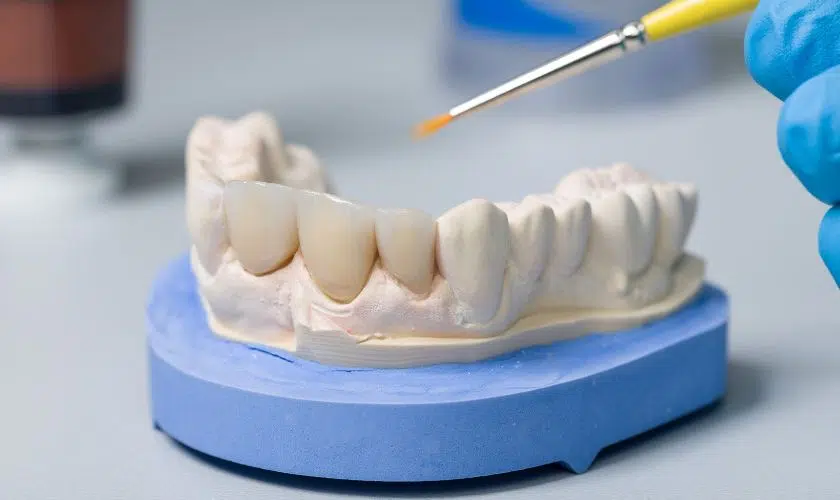
Welcome to our blog post on how to take care of dental crowns! If you have recently received a dental crown or are considering getting one, it’s important to know how to properly maintain and care for this valuable restoration. Dental crowns can not only enhance the appearance of your smile but also protect and strengthen damaged teeth. By following some simple long-term advice, you can ensure that your dental crown lasts for many years to come. So let’s dive in and learn all about the best practices for maintaining and caring for your dental crowns!
Crowns and Restorations
Crowns and restorations play a crucial role in modern dentistry, providing solutions for damaged or weakened teeth. A dental crown is essentially a cap that is placed over a tooth to restore its shape, size, strength, and appearance. These crowns can be made from various materials such as porcelain, metal alloy, or a combination of both.
The primary purpose of crowns and bridges is to protect and preserve the underlying tooth structure while also improving aesthetics. Whether you have a fractured tooth due to injury or decayed teeth that need reinforcement, crowns offer an effective solution.
When it comes to restorations, there are different types available depending on your specific needs. In addition to traditional crowns mentioned earlier, there are also implant-supported crowns, which utilize dental implants for added stability. Additionally, some bridges can replace missing teeth by anchoring onto adjacent healthy teeth with the help of two supporting crowns.
To determine the most suitable restoration option for you, consult with your dentist who will assess your oral health condition and discuss the best course of action. Remember that each case is unique and requires personalized treatment planning.
Overall,crowns and restorations provide long-lasting solutions for damaged or compromised teeth.
With proper care and regular check-ups with your dentist, you can ensure their longevity, maintaining not only your beautiful smile but also protecting your oral health!
How to Clean a Crown
Proper cleaning and maintenance of your dental crown is essential for its long-term success. Regular cleaning can help prevent plaque buildup, gum disease, and other oral health issues. Here are some simple steps to keep your crown clean:
- Brushing: Gently brush the crown using a soft-bristled toothbrush and fluoride toothpaste. Make sure to clean all surfaces of the crown, including the area where it meets the natural tooth.
- Flossing: Use floss or an interdental cleaner to remove any food particles or plaque from between your teeth and around the gum line. Be careful while flossing near the crown, as excessive force can dislodge it.
- Rinsing: After brushing and flossing, rinse your mouth thoroughly with water or an antimicrobial mouthwash recommended by your dentist. This will help remove any remaining debris and bacteria.
- Avoidance: Limit consumption of sticky or hard foods that could potentially damage or dislodge your dental crown.
Remember to visit your dentist regularly for professional cleanings and check-ups so they can monitor the condition of your dental crown.
By following these simple steps, you can maintain good oral hygiene and ensure that your dental crown stays in excellent shape for years to come!
How to Polish a Crown
Polishing a dental crown is an essential step in maintaining its appearance and longevity. By following these simple steps, you can ensure that your crown remains shiny and free of stains for years to come.
Gather the necessary tools for polishing your crown. You will need a soft-bristled toothbrush, non-abrasive toothpaste, dental floss or interdental brushes, and mouthwash. It’s important to choose a toothpaste that does not contain any harsh abrasives, as they can scratch the surface of your crown.
Next, wet the toothbrush with water and apply a small amount of toothpaste onto it. Gently brush the entire surface of the crown using circular motions. Be sure to pay attention to hard-to-reach areas such as around the gum line.
After brushing, rinse your mouth thoroughly with water or mouthwash to remove any remaining toothpaste residue. This will help prevent plaque buildup, which can dull the shine of your crown over time.
In addition to regular brushing, don’t forget about flossing or using interdental brushes. These tools are crucial for removing food particles and plaque from between your teeth and around the edges of your crown, where bacteria tend to accumulate.
Avoid consuming foods and drinks that may stain your teeth or dental restorations such as coffee, tea, red wine, berries, and tobacco products. If you do indulge in these items occasionally, be sure to rinse your mouth afterward or brush if possible.
By incorporating these simple steps into your oral hygiene routine daily- brushing properly with non-abrasive toothpaste regularly combined with flossing – you can keep your dental crowns looking their best! Remember: prevention is key when it comes to maintaining a beautiful smile.
How to Remove Dental Crowns
Removing dental crowns is a delicate process that should be performed by a qualified dentist or dental professional. It is important to follow the proper steps to ensure the crown is safely and effectively removed without causing damage to the underlying tooth or surrounding tissues.
First, your dentist will carefully examine the crown to determine the best removal method. In some cases, a specialized tool called a crown remover may be used. This instrument helps gently dislodge the crown from its place without putting excessive force on the tooth.
Before removing the crown, your dentist will administer local anesthesia to numb any potential discomfort during the procedure. Once you are comfortable, they will begin by using a small drill or dental burr to remove any cement or adhesive holding the crown in place.
Afterward, gentle pressure and rotational movements can help loosen and lift off the crown from your tooth. The process requires patience and precision to avoid any unnecessary trauma.
Once removed, your dentist will thoroughly clean and inspect both the underlying tooth structure and the inside of the crown before deciding whether it needs replacement or repair.
Remember, attempting DIY removal of dental crowns at home can lead to serious complications such as damage to teeth or gums. Always consult with your dentist if you have any concerns regarding your dental crowns’ removal process.
What to Do if a Crown Falls Out
Losing a dental crown can be alarming, but don’t panic! There are steps you can take to address this situation. Carefully remove any debris from the exposed tooth and rinse your mouth with warm saltwater. This will help keep the area clean and reduce the risk of infection.
Next, try to locate the missing crown. If possible, gently clean it with mild soap and water before storing it in a safe place until you can see your dentist. Avoid using glue or over-the-counter adhesives as they may cause further damage or discomfort.
You must contact your dentist as soon as possible to schedule an appointment for re-cementation or replacement of the crown. In some cases, temporary measures such as dental cement or denture adhesive might be used until you can visit the dental office.
Remember to avoid chewing on hard foods or using that particular side of your mouth until your dentist has addressed the issue. Taking these precautions will minimize any potential pain or complications while awaiting professional care.
It’s essential not to delay seeking professional assistance when a crown falls out. Your dentist is best equipped to assess and resolve this situation effectively, ensuring optimal oral health and comfort in the long term
How to Store Dental Crowns for Future Use
When it comes to taking care of dental crowns, there may come a time when you need to remove them temporarily for various reasons. Whether it’s due to a dental procedure or simply wanting to keep the crown safe for future use, knowing how to properly store your dental crowns is essential.
First and foremost, make sure the crown is clean before storing it. Rinse it with warm water and gently brush away any debris using a soft toothbrush. Avoid using abrasive toothpaste or harsh chemicals as they can damage the crown.
Next, ensure that the crown is completely dry before storing it. Moisture can lead to bacterial growth and cause damage over time. Use a clean cloth or paper towel to thoroughly dry both the inside and outside surfaces of the crown.
Once dry, find a suitable container for storage. A small plastic bag or an individual compartment in a jewelry box can work well. Make sure the container is clean and free from any contaminants that could potentially harm the crown.
Place the dried crown securely in its designated container and seal it tightly. You may also consider adding some desiccant packets or silica gel packs inside the container to help absorb any residual moisture.
Store your dental crowns in a cool, dry place away from direct sunlight and extreme temperatures. It’s important not to expose them to excessive heat or cold, as this can cause warping or cracking.
Remember to label each stored crown with relevant information such as its location in your mouth and date of removal. This will make it easier for you or your dentist to identify which tooth each crown belongs to when needed in the future.
By following these simple steps, you can ensure that your dental crowns are safely stored for future use without compromising their integrity. Taking proper care now will save you time and money down the road by avoiding potential damage or replacement needs.
Taking care of dental crowns is essential for their long-term durability and your oral health. By following these tips, you can ensure that your crowns stay clean, polished, and secure.
Remember to clean your crown thoroughly using a soft-bristled toothbrush and non-abrasive toothpaste. Pay extra attention to the gumline where plaque tends to accumulate. Flossing around the crown area is also crucial for removing any trapped food particles.
Regularly polish your crown with a mild polishing agent or a mixture of baking soda and water. This will help maintain its shine and prevent staining.
If you ever need to remove a dental crown, it’s best to seek professional help from your dentist. Attempting to remove it yourself could lead to damage or injury.
In the unfortunate event that a crown falls out, don’t panic! Keep it safe by storing it in a clean container filled with milk or saliva until you can see your dentist. Avoid trying to reattach it on your own as this may cause further issues.
If you have spare dental crowns stored at home for future use, make sure they are kept in an appropriate environment like a cool, dry place away from direct sunlight or extreme temperatures.
By practicing good oral hygiene habits and seeking professional assistance when needed, you can enjoy the benefits of healthy and well-maintained dental crowns for years to come.

