(801) 278-0840
Understanding Different Types of Dentures: Which One Suits You?


Tooth loss can influence far more than how your smile looks—it can affect how you chew, speak, and feel about yourself each day. Dentures remain one of the most trusted and effective solutions for restoring missing teeth, supporting facial structure, and improving oral function. However, many patients are unaware that dentures are highly customizable. Today’s modern denture options vary in stability, comfort, and design, allowing them to be tailored to different oral health needs and lifestyles.
If you are considering dentures, understanding the different types available can help you feel more confident choosing an option that supports both daily comfort and long-term oral health.
Why Choosing the Right Denture Type Matters
Dentures do more than replace teeth; they restore balance to your bite, support facial muscles, and improve clarity of speech. Selecting the right type of denture can influence:
- Stability while eating and speaking
- Comfort of gum tissues
- Jawbone support over time
- Ease of cleaning and maintenance
- Overall confidence in social interactions
Because each person’s oral anatomy and tooth-loss pattern are unique, selecting denture options should always consider both functional needs and personal preferences.
Complete Dentures: Full Smile Restoration
What They Are
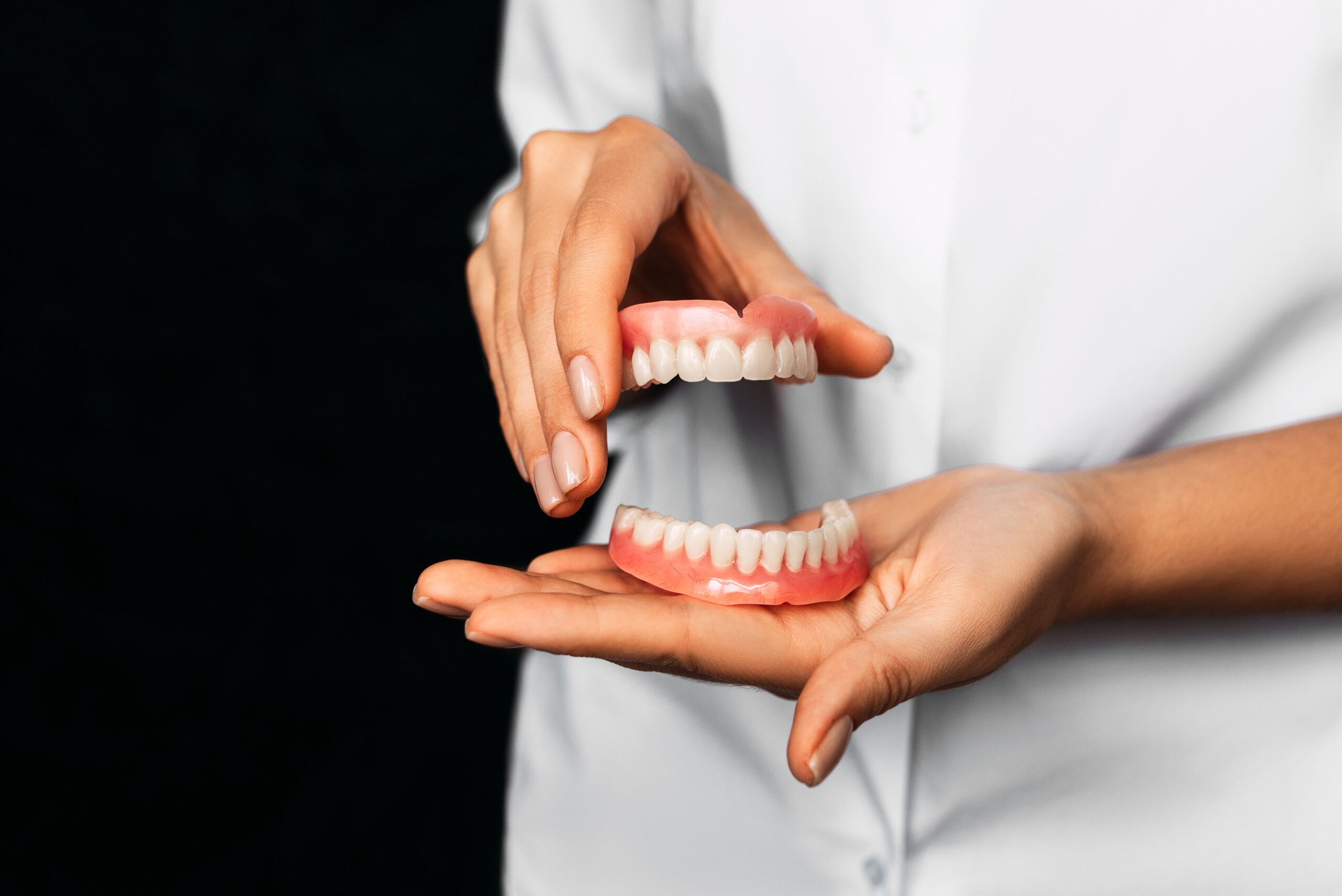
Complete dentures replace all teeth in the upper, lower, or both arches. They sit directly on the gums and are designed to restore a full smile appearance and basic chewing ability.
Who They May Suit
Complete dentures are typically recommended when all natural teeth in an arch are missing or cannot be preserved. They provide a comprehensive solution for restoring facial structure and smile aesthetics.
Considerations
Modern complete dentures are crafted for improved comfort and natural appearance. However, because they rely on gum support, they may require an adjustment period as oral muscles adapt to holding them in place during speech and chewing.
Partial Dentures: Replacing Several Missing Teeth
What They Are
Partial dentures replace multiple missing teeth while preserving remaining natural teeth. They are usually secured with clasps or precision attachments to adjacent teeth.
Who They May Suit
These denture options are ideal for patients who still have healthy natural teeth but need to fill gaps that affect chewing balance or smile symmetry.
Benefits
- Maintains alignment of remaining teeth
- Restores bite function
- Prevents shifting of natural teeth
- Supports facial contours
Partial dentures often provide a conservative and stable solution without replacing all teeth in an arch.
Implant-Supported Dentures: Greater Stability and Security
What They Are
Implant-supported dentures attach to dental implants placed in the jawbone, providing anchorage beyond gum support. They may be removable or fixed, depending on design.
Who They May Suit
Patients seeking improved stability often consider implant-supported dentures, especially if traditional dentures feel loose or uncomfortable.
Advantages
- Stronger retention and reduced movement
- Improved chewing efficiency
- Less pressure on the gums
- Potential preservation of the jawbone
Because they anchor to implants, these denture options often feel more secure and natural during daily activities like eating and speaking.
Immediate Dentures: Teeth Replacement Without Waiting
What They Are
Immediate dentures are placed the same day teeth are removed, allowing patients to maintain their smile during healing.
Who They May Suit
They are commonly chosen by individuals who prefer not to experience a period without teeth after extractions.
Important Notes
As gums heal and change shape, adjustments or relining are typically needed to maintain proper fit. Immediate dentures often serve as a temporary solution before a final denture is made.
How Dentists Determine the Best Denture Type
Choosing among denture options involves evaluating several clinical and lifestyle factors. Dentists typically assess:
- Number and position of missing teeth
- Gum health and jawbone density
- Bite alignment and chewing patterns
- Facial support needs
- Comfort expectations
- Ability to maintain hygiene
Adapting to Dentures: What to Expect
Adjusting to dentures is a gradual process. Oral muscles must learn to stabilize the prosthesis during speaking and chewing. Initial sensations such as mild pressure or increased saliva are normal and usually temporary.
Helpful adaptation tips include:
- Starting with soft foods
- Taking small bites
- Practicing speaking aloud
- Wearing dentures consistently
- Attending adjustment visits
With time and proper fit, most patients regain comfortable function and natural confidence.
Maintaining Dentures for Long-Term Comfort
Proper denture care protects both oral tissues and the longevity of the prosthesis. Essential maintenance habits include:
- Cleaning dentures daily
- Cleaning the gums and tongue
- Removing dentures overnight if advised
- Storing dentures in moisture
- Scheduling periodic fit evaluations
Because gums and bone naturally change over time, even well-fitting dentures require occasional adjustment to maintain comfort and stability.
Finding the Denture Option That Fits Your Life
Understanding the differences among modern denture options empowers you to choose a solution that aligns with comfort, stability, and lifestyle needs. Whether replacing several teeth or a full arch, dentures in Salt Lake City can restore chewing ability, facial support, and smile confidence when thoughtfully selected and maintained. With individualized planning and proper guidance, dentures can feel secure, natural, and supportive of long-term oral health.
Regain Comfort and Confidence With Guidance From Cottonwood Dental
Choosing the right denture begins with clear information and compassionate support. At Cottonwood Dental, we help patients understand denture options through a patient-centered, educational approach focused on lasting comfort and oral health. Our dental clinic in Salt Lake City is dedicated to guiding you through dentures with clarity and reassurance. Schedule an appointment today and take the next step toward a confident, comfortable smile.