
(801) 278-0840
Why Do False Teeth Feel Loose at First?

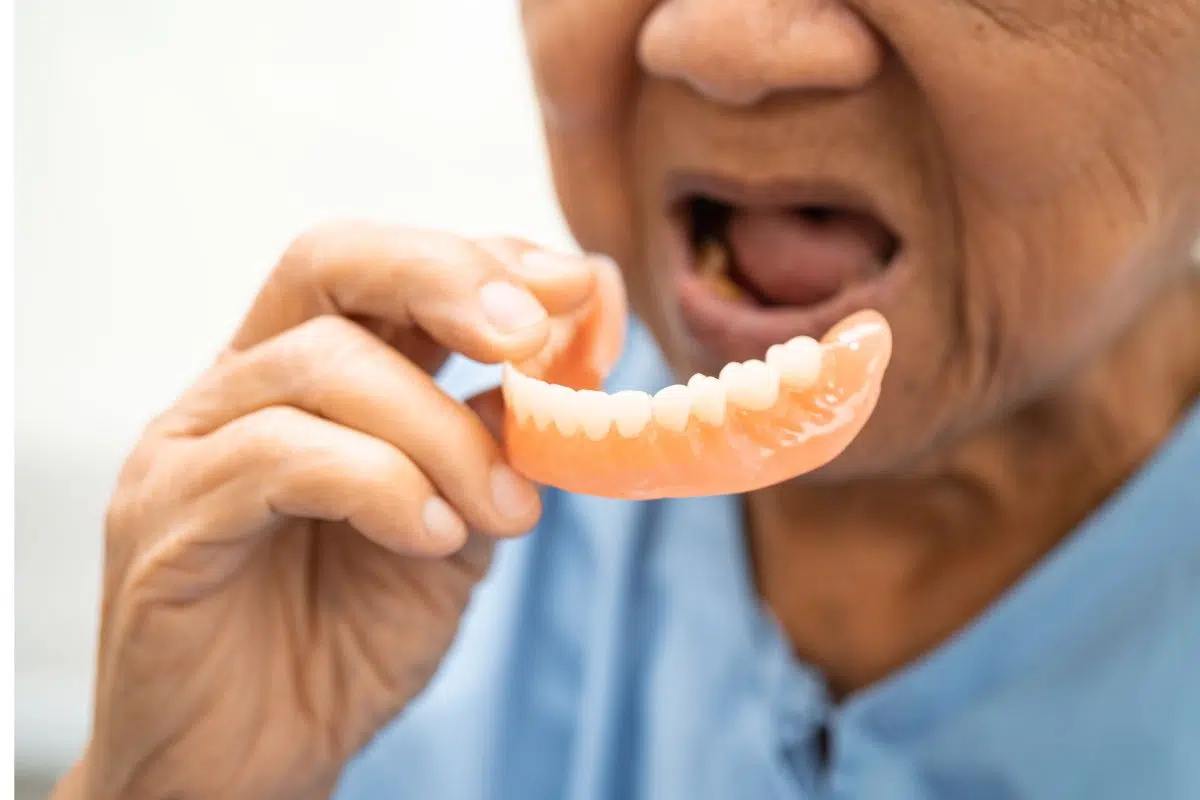
Getting used to false teeth can feel surprisingly unsettling at the beginning. Many people expect their new teeth to feel secure right away, so when movement or looseness occurs, it naturally raises concerns. If you’ve recently started wearing dentures and noticed they don’t feel as stable as expected, you’re not alone. This experience is common, especially during the early adjustment phase, and understanding why it happens can make the process far less stressful.
This blog explains why false teeth feel loose at first, what’s happening inside your mouth, and how your body gradually adapts—so you can feel more confident and informed as you adjust.
Understanding the Initial Adjustment Period
Your Mouth Needs Time to Adapt
When dentures are first placed, your mouth is adjusting to something completely new. Your gums, jawbone, tongue, and facial muscles have spent years working with natural teeth. Introducing a removable dental appliance changes how these structures interact.
During this period, it’s normal to experience:
- A sense of bulkiness
- Increased saliva production
- Mild soreness or pressure
- Temporary looseness
These early sensations are not a sign of failure. They are part of the natural learning curve as your oral tissues adapt to dentures.
Why Denture Fit Issues Are Common at First
Healing and Gum Changes Play a Big Role
After tooth loss, the gums and underlying bone go through changes. Even after dentures are made to fit precisely, the soft tissues continue to heal and reshape. This can create denture fit issues, especially within the first few weeks.
As swelling goes down and the gums settle, dentures may feel less snug than they did initially. This doesn’t mean they were made incorrectly—it simply reflects how dynamic the healing process can be.
Why Dentures May Move When Talking
Muscle Coordination Takes Practice
Speaking is a surprisingly complex activity that involves coordinated movements of the tongue, lips, cheeks, and jaw. With new dentures, these muscles must relearn how to function together.
This is why many people notice:
- Dentures are moving when talking
- Clicking sounds during speech
- Difficulty pronouncing certain words
Over time, your muscles adapt, and speech becomes more natural. Practicing reading aloud or having conversations can help speed up this adjustment.
Why Dentures Can Slip While Eating
Chewing Forces Are Stronger Than You Think
Eating places significant pressure on dentures, especially when chewing tougher or sticky foods. Early on, your bite may feel uneven, or you may notice dentures slipping while eating. This happens because your mouth is still learning how to distribute chewing forces evenly.
Starting with softer foods and chewing slowly on both sides of the mouth can help improve stability as you adjust.
Saliva and Oral Sensitivity Changes
Your Mouth Is Reacting to Something New
New dentures often trigger increased saliva production. While this usually settles down, excess saliva can make dentures feel slippery at first. Additionally, your gums may be more sensitive during the early stages, which can exaggerate the sensation of movement.
As your mouth adjusts, saliva flow normalizes, and comfort improves.
How Long Does the Looseness Usually Last?
What’s Considered Normal?
For most people, the initial adjustment period lasts a few weeks. During this time, minor movement is expected. However, dentures should not feel excessively loose or painful over the long term.
Signs that adjustment is progressing normally include:
- Improved comfort week by week
- More stable speech
- Better control while eating
Patience and proper guidance are key during this phase. At Cottonwood Dental, we emphasize education, reassurance, and careful follow-up so patients feel confident throughout the adjustment process. With patience and expert oversight, our dentures in Salt Lake City are designed to provide a secure, natural feel that supports long-term comfort and everyday confidence.
Why Education and Follow-Up Matter
Understanding what’s happening in your mouth helps reduce anxiety and builds confidence. High-quality care emphasizes patient education, realistic expectations, and long-term comfort—not just the appliance itself. Dentures are most successful when patients feel informed, supported, and empowered throughout the process.
Ready to Feel More Confident About Your Smile?
Feeling looseness at first doesn’t mean something is wrong—it means your mouth is adapting. Dentures are designed to restore function and confidence, but like anything new, they require an adjustment period. With time, awareness, and proper care, most people find that their dentures become far more comfortable and secure than they initially expected.
Understanding how dentures work—and why early changes happen—can make the journey far more comfortable. At Cottonwood Dental, our approach is centered on education, comfort, and long-term oral health, helping patients feel informed and supported every step of the way. If you have questions about adjusting to dentures or want guidance tailored to your needs, schedule an appointment and let us help you move forward with confidence and peace of mind.
Frequently Asked Questions About New Dentures
Is it normal for dentures to move when talking?
Yes, especially in the first few weeks. Dentures moving when you talk usually happens because your tongue and facial muscles are learning to work with the new appliance. As coordination improves, speech becomes more stable.
Why do my dentures slip while eating?
Dentures often slip while eating during the adjustment phase, when chewing forces aren’t yet evenly balanced. Starting with softer foods and chewing slowly on both sides of the mouth can help improve control.
How long does it take to get used to dentures?
Most people adjust within a few weeks, though the timeline can vary. Comfort, speech, and chewing typically improve gradually as the mouth adapts and denture fit issues settle.
Should dentures feel completely tight right away?
Not necessarily. Dentures are designed to fit comfortably, but the mouth changes during healing. A snug yet comfortable feel develops over time as tissues stabilize and muscles adapt.
Can saliva changes affect how dentures feel?
Yes. Increased saliva is common when dentures are new and can make them feel slippery at first. Saliva flow usually normalizes as your mouth adjusts.