(801) 278-0840
Infection or Nerve Damage? How a Root Canal Can Save Your Tooth


When a tooth begins to ache or becomes sensitive to hot and cold, it is often your body’s way of signaling that something deeper is wrong. Many patients wonder whether the issue is a simple infection or something more serious, like nerve damage. The truth is, both conditions are closely connected—and understanding how they affect your tooth can help you make informed decisions about your oral health.
A well-timed root canal treatment can play a crucial role in preserving your natural tooth, protecting your smile, and preventing more complex dental concerns down the road.
Understanding the Difference: Infection vs. Nerve Damage
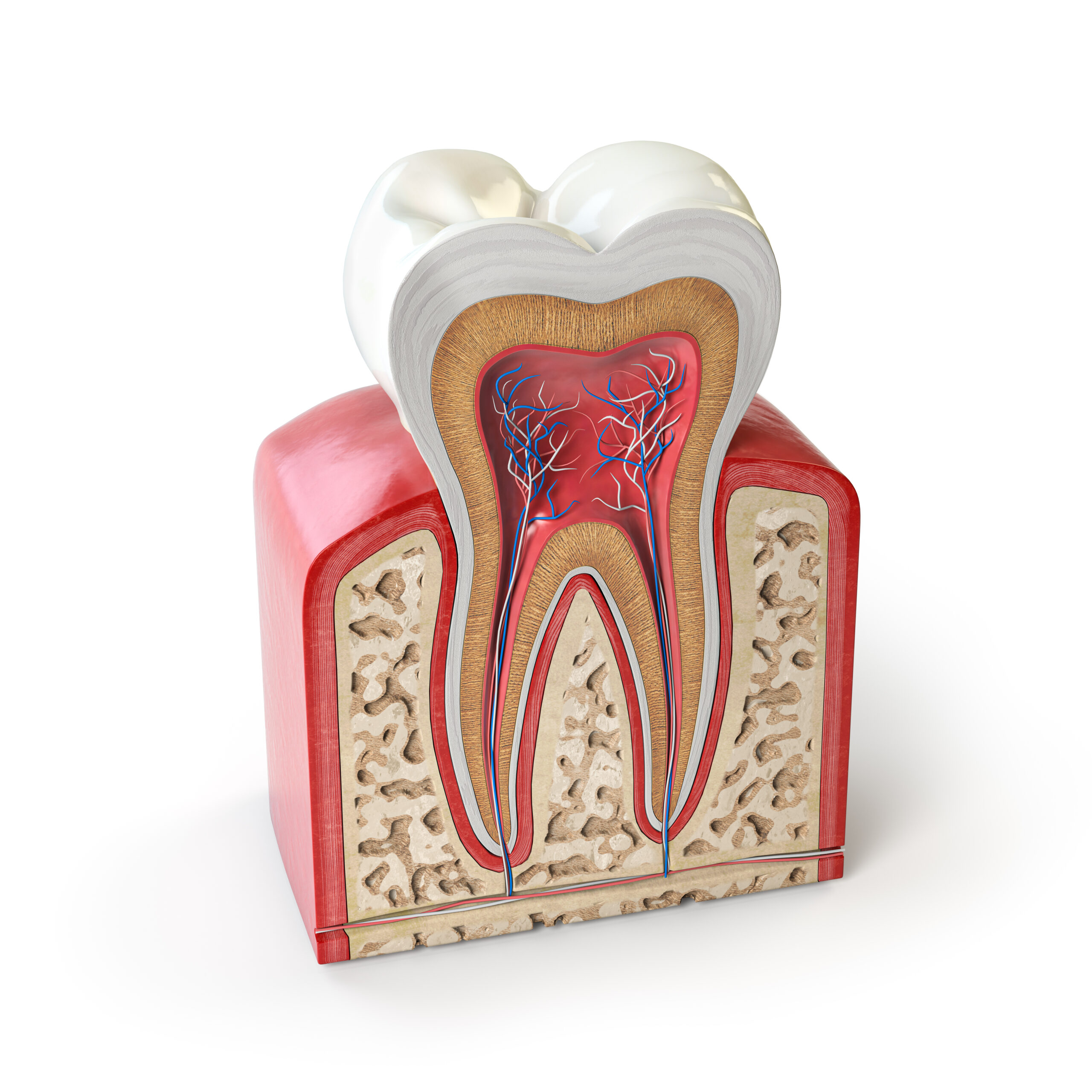
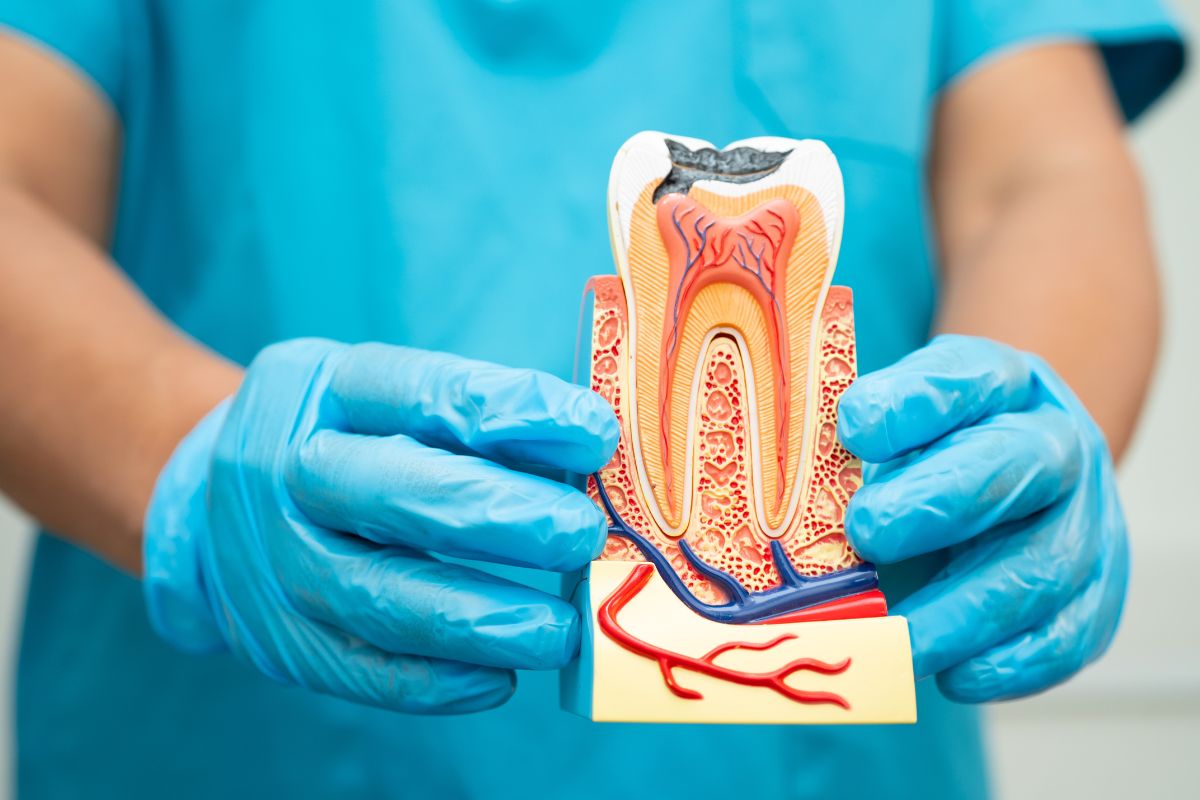
Inside every tooth is a soft tissue called the pulp, which contains nerves and blood vessels. This pulp is essential during tooth development, but once the tooth is fully mature, it becomes less critical for daily function.
When bacteria enter the tooth—often due to deep decay, cracks, or trauma—it can lead to infection. If left untreated, this infection can spread to the pulp, causing inflammation and eventually damaging the nerve.
Nerve damage, in this context, is usually the result of prolonged infection. You may notice symptoms such as:
- Persistent tooth pain
- Sensitivity that lingers after exposure to hot or cold
- Swelling or tenderness around the gums
- Darkening of the tooth
These signs indicate that the inner structure of the tooth is compromised and requires prompt attention.
Why Ignoring the Problem Can Worsen Your Oral Health
It can be tempting to delay treatment, especially if the pain subsides temporarily. However, a reduction in pain does not mean the issue has resolved—it may actually mean the nerve inside the tooth has died.
When infection or nerve damage progresses, it can lead to:
- Abscess formation
- Bone loss around the tooth
- Spread of infection to surrounding tissues
At this stage, saving the natural tooth becomes more challenging. Early intervention is key to maintaining both function and appearance.
How a Root Canal Treatment Helps Save Your Tooth
A root canal treatment is designed to address infection and nerve damage at its source. The process involves removing the infected or damaged pulp, cleaning the inside of the tooth, and sealing it to prevent future contamination.
By eliminating bacteria and preserving the tooth’s outer structure, this approach allows you to retain your natural smile. From a long-term perspective, keeping your original tooth helps maintain proper bite alignment and avoids the need for more extensive procedures.
Patients often feel reassured knowing that modern techniques have made the procedure far more comfortable and efficient than many expect.
Signs You May Have an Infected or Damaged Tooth
Recognizing the symptoms early can make a significant difference in preserving your tooth. While some cases may not show obvious signs initially, many patients experience noticeable discomfort.
Key Symptoms to Watch For
- Persistent tooth pain or throbbing
- Sensitivity to hot or cold that lingers
- Swelling or tenderness in the gums
- Darkening or discoloration of the tooth
- A small bump (abscess) near the affected area
If you notice any of these symptoms, seeking timely evaluation is essential. Early diagnosis can prevent complications and improve the outcome of root canal treatment.
Recognizing When to Seek Professional Guidance
Understanding when to act can make all the difference. If you notice persistent discomfort, unusual sensitivity, or changes in a tooth’s appearance, it’s important to seek evaluation promptly.
Patients exploring root canal treatment in Salt Lake City often ask whether their symptoms truly require intervention. While every case is unique, a professional assessment ensures that the underlying cause is accurately identified and managed before complications arise.
Early care not only improves outcomes but also helps reduce the overall complexity of treatment.
Protect Your Smile with Timely, Expert Care
Taking action at the first sign of infection or nerve damage can be the difference between saving and losing a tooth. A proactive, patient-focused approach ensures that your oral health is protected while preserving the natural beauty of your smile.
At Cottonwood Dental, Dr. Cody Boseman and our team are committed to helping patients understand their options and make confident decisions about their dental health. With a focus on precision, comfort, and long-term results, visit our dental clinic to experience care that supports you every step of the way—so you can protect your smile with confidence. If you’re experiencing symptoms or have concerns, don’t wait—schedule an appointment today and take the first step toward lasting oral health.
Frequently Asked Questions (FAQs)
How do I know if I need a root canal treatment?
You may need a root canal treatment if you experience persistent tooth pain, sensitivity to hot or cold, swelling, or discoloration. However, only a professional evaluation can confirm the need.
Is root canal treatment painful?
Modern root canal treatment is typically no more uncomfortable than getting a filling. Advanced techniques and a patient-centered approach help ensure a comfortable experience.
How long does a root canal treatment take?
The length of root canal treatment depends on the severity of the infection and the tooth involved. In many cases, it can be completed in one or two visits.
What happens if I delay root canal treatment?
Good oral hygiene, regular dental visits, and addressing issues like cavities or cracks early can significantly reduce the risk of infection and the need for root canal treatment.
Can a root canal treatment save my natural tooth?
Yes, the primary goal of root canal treatment is to remove infection while preserving your natural tooth so it can function normally.