(801) 278-0840
What Are the Signs of a Failed Root Canal?

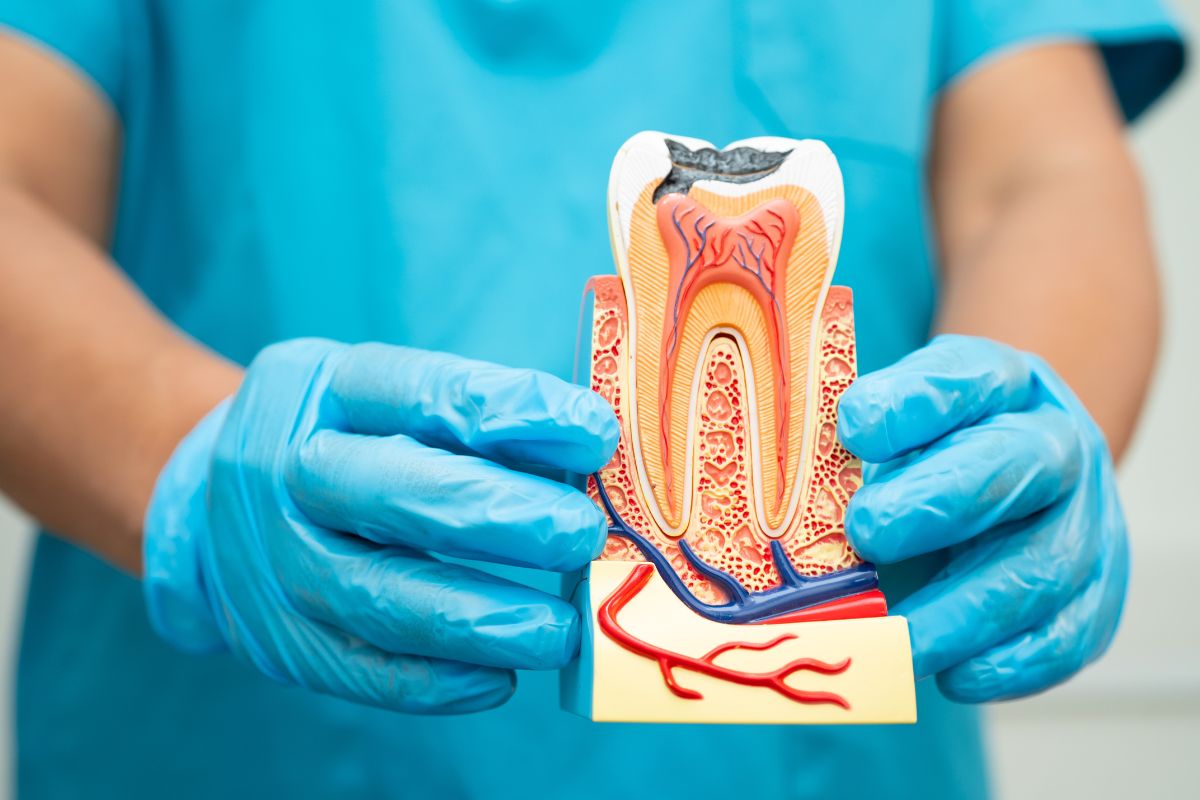
A root canal is often the step that saves a tooth from extraction, relieving pain and restoring function. But what happens when discomfort returns, or something doesn’t feel quite right after healing? While root canal treatment has a high success rate, there are cases where the tooth may not heal as expected. Recognizing the early signs of a failed root canal can significantly help protect your oral health and prevent further complications.
Why Root Canal Treatment Can Sometimes Fail
Root canal treatment is designed to remove infection from within the tooth and seal it to prevent reinfection. However, several factors can interfere with proper healing.
Common Reasons for Failure
- Hidden or complex canals that were not fully treated
- Delayed placement of a restoration, allowing bacteria to re-enter
- Cracks or fractures in the tooth over time
- New decay that exposes the treated area
- Breakdown of the seal that protects the tooth
Even with a careful and patient-centered approach, these challenges can occasionally arise, which is why monitoring your tooth after treatment is essential.
Key Signs of a Failed Root Canal
Knowing what to look for can help you take action early. Some symptoms may appear soon after treatment, while others can develop months or even years later.
Persistent or Returning Pain
It is normal to experience mild discomfort after a root canal, but pain that lingers or returns could signal a problem. This may indicate lingering infection or inflammation inside the tooth.
Sensitivity to Pressure or Temperature
If you feel discomfort when biting down or sensitivity to hot and cold that doesn’t improve, it may suggest the tooth is not healing properly.
Swelling or Tenderness in the Gums
Swelling near the treated tooth, especially if it feels tender or warm, can be a sign of infection that needs attention.
Pimple-Like Bump on the Gums
A small bump, often called a dental abscess, may appear near the affected tooth. This can release pus and is a clear indication that infection is present.
Tooth Discoloration
A tooth that becomes darker over time may indicate internal damage or ongoing issues within its structure.
Unpleasant Taste or Odor
A persistent bad taste or odor in your mouth can be caused by infection or drainage from the affected area.
How can you prevent a failed root canal from happening in the first place?
While not every complication can be avoided, there are several practical steps you can take to reduce the risk of issues after a root canal treatment. A proactive and patient-centered approach plays a key role in supporting proper healing and long-term success.
Follow Post-Treatment Instructions Carefully
After your root canal treatment, your dental provider will give specific care guidelines. These may include avoiding hard or sticky foods for a short period and maintaining good oral hygiene. Following these instructions helps protect the treated tooth while it heals.
Maintain Consistent Oral Hygiene
Brushing twice a day, flossing regularly, and keeping your mouth clean are essential. Even though the inside of the tooth has been treated, the outer structure remains vulnerable to decay and gum disease.
Do Not Delay the Final Restoration
Once a root canal is completed, the tooth typically needs to be properly restored to protect it from bacteria and damage. Delaying this step can increase the risk of reinfection or structural weakening.
Attend Regular Dental Check-Ups
Routine visits allow your dental provider to monitor the treated tooth and catch any early signs of concern. This reflects a commitment to high-quality care and helps ensure your tooth remains stable over time.
Avoid Excessive Pressure on the Tooth
Chewing on hard objects like ice or using your teeth as tools can put unnecessary stress on a treated tooth. Being mindful of these habits helps prevent cracks or fractures.
Address New Symptoms Early
If you notice discomfort, swelling, or sensitivity after your root canal treatment, do not ignore it. Early evaluation can prevent minor concerns from turning into more serious complications.
By staying consistent with these habits and maintaining open communication with your dental provider, you can significantly improve the chances of long-term success and protect your smile.
Protecting Your Smile After Root Canal Treatment
While not all failures can be prevented, there are steps you can take to support healing and long-term success.
Tips for Long-Term Success
- Maintain consistent oral hygiene habits
- Attend regular dental check-ups
- Address new discomfort early
- Avoid excessive pressure on the treated tooth
A proactive approach can help reduce the risk of complications and keep your smile healthy.
Find Lasting Relief from a Failed Root Canal with Cottonwood Dental
If you are noticing discomfort or unusual symptoms after a root canal treatment, there is no need to worry—timely care can make all the difference. Cottonwood Dental is committed to a patient-centered approach and high-quality care to help identify the cause and guide you toward the right solution. Visit our dental clinic in Salt Lake City to get the attention your smile needs, restore your comfort, and feel confident again. Schedule an appointment today and take the next step toward a healthier, pain-free smile.
Frequently Asked Questions
How do I know if my root canal has failed?
Common signs include persistent pain, sensitivity when biting, swelling, or a small bump on the gums. If symptoms continue or return after healing, it may indicate a problem.
Can a failed root canal happen years later?
Yes, a root canal can fail months or even years later due to new decay, cracks, or bacteria entering the tooth again.
Is pain after a root canal always a sign of failure?
Not always. Mild discomfort is normal for a few days after treatment. However, ongoing or worsening pain should be evaluated.
Can a failed root canal be treated again?
In many cases, yes. The tooth can often be retreated to remove infection and restore health, depending on the condition of the tooth.
Is a failed root canal a dental emergency?
It may not always be an emergency, but it should be addressed promptly to avoid worsening infection or damage.