(801) 278-0840
5 Best Alternatives To A Root Canal Treatment


When most people hear the words root canal, they immediately think of discomfort, long appointments, and anxiety. While modern dentistry has made root canal treatments far more comfortable and effective than ever before, many patients still prefer to explore other options. If you’re wondering about root canals in Salt Lake City and whether there are alternatives, you’ll be glad to know there are. Depending on your situation, several approaches can help restore your oral health while avoiding traditional root canal therapy.
This article explores the five best alternatives to root canal treatment and what you should know before making a decision.
What is a Root Canal?
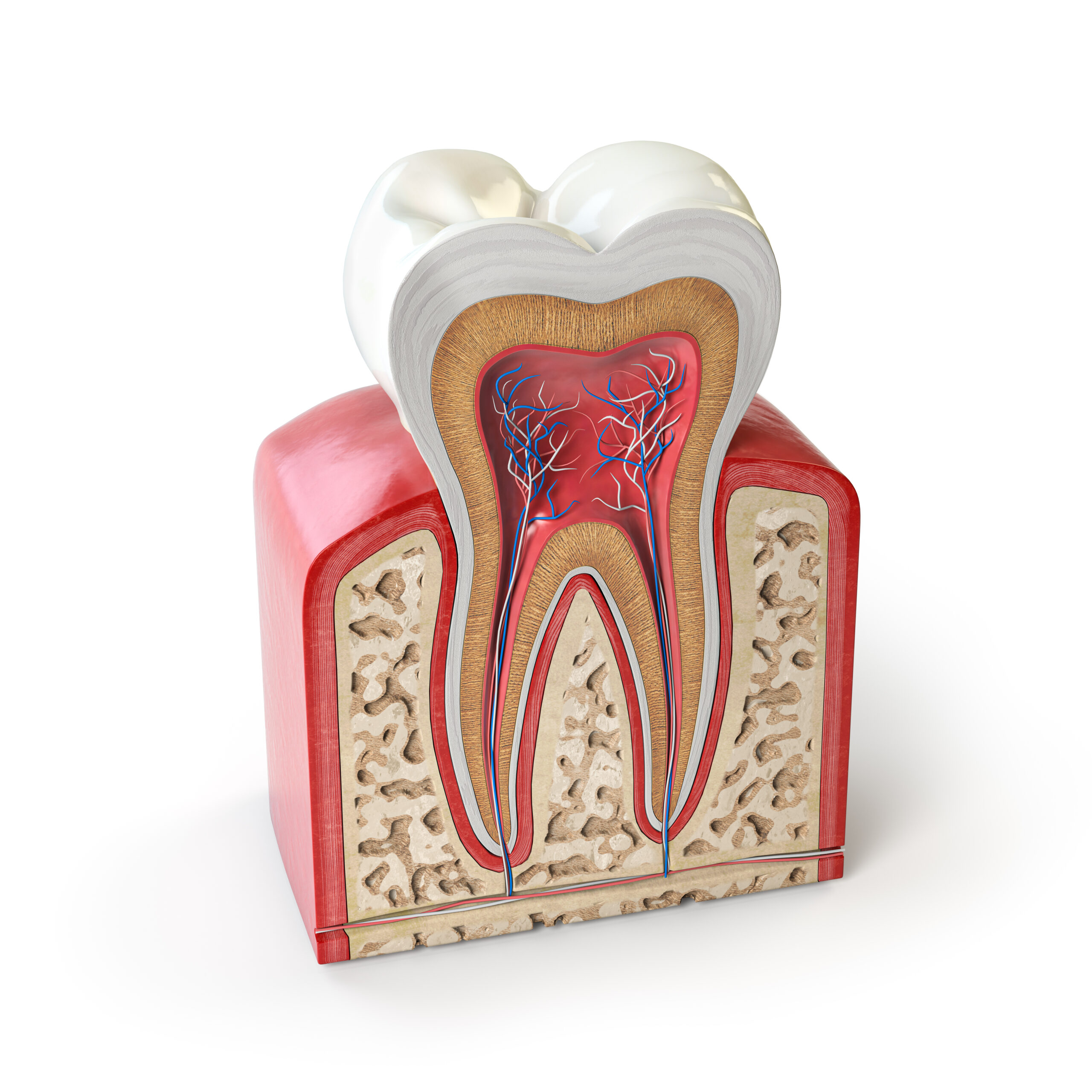
A root canal is typically advised when the pulp inside a tooth becomes infected, inflamed, or severely damaged. This inner pulp contains nerves and blood vessels, and when it’s compromised, it can lead to persistent pain, swelling, and infection. A root canal procedure involves removing the damaged pulp, cleaning the tooth, and sealing it to prevent further issues.
However, not everyone is ready to undergo this treatment. Some patients may feel uneasy about it, while others prefer different approaches depending on their oral health needs. Thankfully, dentistry offers several alternatives that may be suitable for certain cases. If you’re experiencing tooth pain or are unsure about your options, our root canal in Salt Lake City can provide expert guidance and care to help you make the best decision for your dental health.
Five Alternatives to a Root Canal Treatment
Root canal treatment is a common dental procedure that involves removing the infected pulp from inside the tooth. While it can be effective in saving a severely decayed or damaged tooth, some people may prefer to explore alternative options before committing to this invasive procedure. Here are five alternatives to consider:
1. Dental Fillings: If the decay or damage is relatively minor, a simple dental filling may be sufficient. This involves removing the decayed portion of the tooth and filling it with a material like composite resin or amalgam.
2. Dental Crowns: For more extensive damage, a dental crown can provide both protection and aesthetics. A crown is placed over the remaining natural tooth structure after any necessary repairs have been made.
3. Pulpotomy: In cases where only part of the pulp is affected by infection or inflammation, a pulpotomy may be performed instead of a root canal. This involves removing only the infected portion of the pulp and leaving healthy tissue intact.
4. Root Canal Retreatment: If you’ve previously had a root canal but are still experiencing pain or other issues, retreatment may be an option. During this procedure, your dentist will reopen your tooth and remove any existing fillings before cleaning and sealing it again.
5. Tooth Extraction and Replacement Options: In severe cases where alternative treatments are not feasible, extraction followed by replacement options like dental implants or bridges could restore function and appearance.
It’s important to consult with your dentist to determine which alternative treatment option would work best for your specific case.
Choosing the Right Path for Your Oral Health
Deciding whether to move forward with a root canal or an alternative treatment is not something to do alone. Each case is unique, and what works for one patient may not be the best choice for another. A thorough evaluation, including dental X-rays and a professional exam, is necessary to determine the right treatment option.
It’s also important to remember that avoiding treatment altogether is not a safe choice. Untreated infections can spread, causing pain, tooth loss, and even affecting overall health. Regular check-ups and early intervention are the best ways to avoid severe dental problems that might require a root canal.
Preventive Care Is the Best Alternative
While these alternatives can be helpful, the best approach is always prevention. Practicing strong oral hygiene habits—like brushing twice daily, flossing, and visiting your dentist regularly—can keep decay and infection at bay. Preventive care reduces the likelihood of needing a root canal or any invasive treatment in the first place.
Final Thoughts
Root canals are highly effective treatments, but they aren’t your only option. From fillings and crowns to pulpotomies, apicoectomies, and extractions, several alternatives may better fit your situation. At Cottonwood Dental, we are dedicated to providing compassionate care and helping you find the treatment option that works best for your needs. If you’ve been considering options for root canals in Salt Lake City, the first step is to schedule a consultation with our experienced dentist who can help you make the best decision for your oral health.
Our dental clinic in Salt Lake City takes pride in offering expert, patient-centered care that helps you feel confident in your smile and your dental health.
FAQs About Root Canal Alternatives
1. What are some alternatives to a root canal?
Depending on your situation, options like fillings, crowns, pulpotomy, retreatment, or extraction with replacement might be more suitable.
2. Can untreated dental issues cause more serious problems?
Yes — leaving an infected tooth untreated can lead to worsening infection, pain, and even systemic health issues over time.
3. Is prevention better than choosing an alternative?
Absolutely. Consistent brushing, flossing, and regular visits to your dentist in Salt Lake City are the most effective strategies to avoid invasive treatments altogether.
4. How do I know which option is right for me?
A thorough evaluation, including X-rays and an exam by your dentist, is essential to determine the most appropriate and safe treatment.
5. Can retreatment save a previously treated tooth?
Yes — if you’ve had a prior root canal but still experience symptoms, retreatment may resolve the issue without starting from scratch.