(801) 278-0840
The Impact Of Stress On Oral Health: Tips From Salt Lake City Dentist

In a fast-paced city like Salt Lake City, stress is something many people deal with daily. Tight deadlines, long commutes, and constant responsibilities can take a toll—not just mentally, but physically too. While most people associate stress with headaches or fatigue, fewer realize how closely stress and oral health are connected.
In this blog, we will explore the intricate connection between urban stress and dental care and what you can do to protect your smile.
Understanding the Link Between Stress and Oral Health
When your body is under stress, it triggers a “fight or flight” response. This affects your immune system, hormone levels, and even saliva production—leading to a range of oral health problems.
This is why concerns like “can stress cause mouth problems” or “can stress make your teeth hurt” are more common than ever.
Common Oral Health Problems Caused by Stress
1. Teeth Grinding (Bruxism)
Stress is one of the leading causes of teeth grinding and clenching, often happening during sleep. Over time, this can lead to:
- Worn enamel
- Cracked or sensitive teeth
- Jaw pain and headaches
If you’ve ever experienced a toothache when stressed, bruxism could be the hidden cause. Our dentist in Salt Lake City can help identify signs of teeth grinding early and provide personalized care to protect your teeth, reduce discomfort, and prevent long-term damage from stress-related habits.
2. Gum Disease and Inflammation
Chronic stress weakens your immune system, making it harder for your body to fight off infections. This increases your risk of gum disease.
Many people don’t realize that stress can contribute to tooth decay and gum problems, especially when combined with neglected oral hygiene during busy or stressful periods.
3. Dry Mouth (A Common but Overlooked Issue)
One of the most searched concerns today is “dry mouth and stress”—and for good reason.
Stress and anxiety can reduce saliva flow, leading to:
- Dry mouth when stressed
- A sticky or dry tongue feeling
- Increased risk of cavities
If you’ve noticed dry mouth due to stress or even symptoms like anxiety or a dry tongue, it’s important to address it early. Saliva plays a crucial role in protecting your teeth, and reduced saliva can even lead to discomfort or tooth pain.
4. Mouth Sores and Sensitivity
Stress can also trigger canker sores, cold sores, and general oral sensitivity. These issues are often linked to a weakened immune response during periods of high stress or anxiety.
Practical Tips for Managing Stress and Protecting Your Oral Health
1. Practice Stress Management Daily
Simple habits can make a big difference:
- Deep breathing
- Meditation
- Regular exercise
These not only improve mental well-being but also support oral hygiene for stress relief by reducing habits like clenching and grinding.
2. Stay Hydrated to Combat Dry Mouth
If you experience dry mouth from stress, drinking water frequently can help maintain saliva flow and reduce discomfort.
3. Maintain a Consistent Oral Hygiene Routine
Stress often leads to skipped routines—but this is when your oral care matters most:
- Brush twice daily
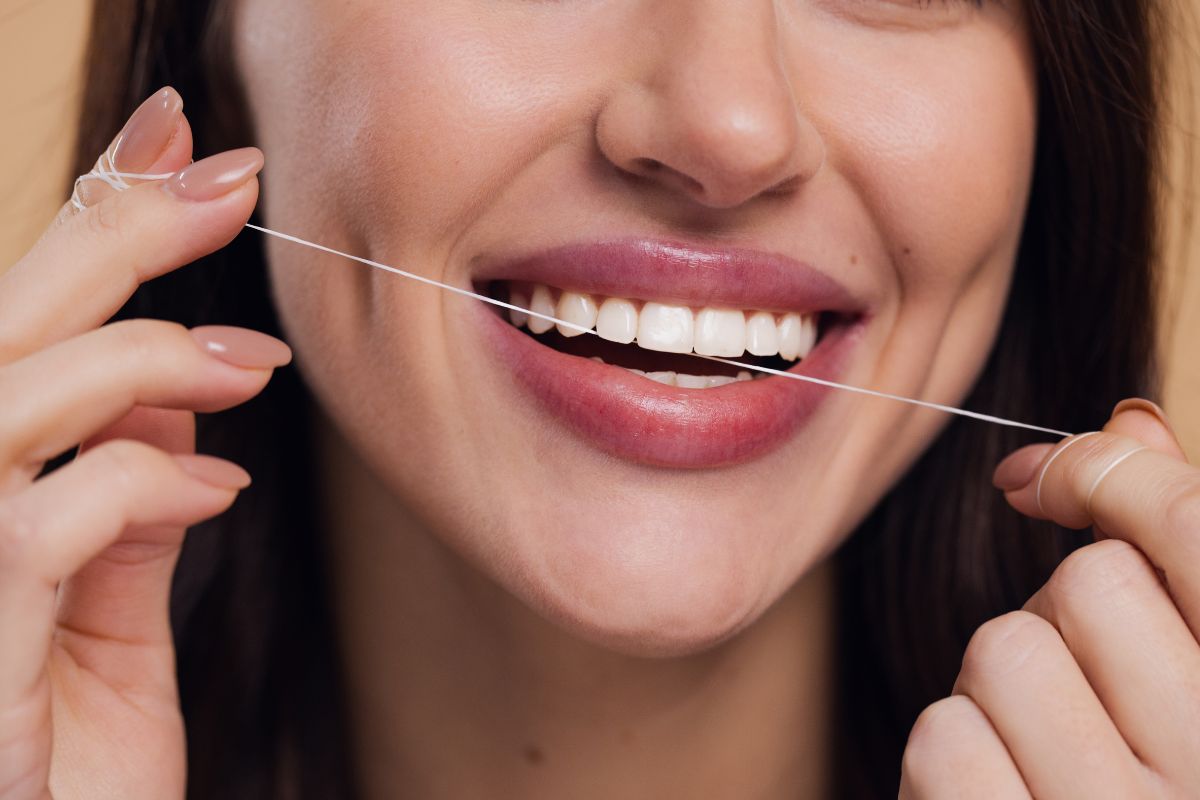
- Floss regularly
- Use fluoride products
Consistency helps prevent issues like decay and gum disease, even during stressful times.
4. Consider a Custom Mouthguard
If you grind your teeth at night, a professionally designed mouthguard can protect your enamel and reduce jaw strain.
5. Eat a Balanced, Tooth-Friendly Diet
Avoid stress snacking on sugary or acidic foods. Instead, choose:
- Calcium-rich foods
- Leafy greens
- Vitamin C sources
A healthy diet supports both your immune system and oral health.
6. Don’t Skip Dental Visits
Regular check-ups help catch early signs of:
- Stress-related tooth damage
- Gum inflammation
- Dry mouth complications
Early care can prevent minor issues from becoming serious problems.
Take Control of Stress Before It Affects Your Oral Health
Stress is unavoidable—but its impact on your oral health doesn’t have to be. From dry mouth due to stress to toothaches caused by stress, the effects are real but manageable with the right approach.
By understanding the connection between stress and oral health, and making small, consistent changes, you can protect your smile even during the busiest times.
If you’ve been experiencing symptoms like teeth sensitivity, dry mouth, or jaw discomfort, it may be time to take a closer look at how stress is affecting your oral health. Our dental clinic focuses on patient-centered care and long-term oral wellness—schedule an appointment today to take the first step toward a healthier smile.
Frequently Asked Questions
1. Why do I get dry mouth when stressed?
When your body is under stress, it shifts into a “fight or flight” mode, which slows down non-essential functions like saliva production. This is why many people experience dry mouth due to stress or a dry, sticky feeling in the mouth.
2. Can dry mouth cause tooth pain?
Yes, dry mouth can contribute to tooth pain. Saliva helps protect your teeth by neutralizing acids and washing away bacteria. Without enough saliva, your teeth become more vulnerable to decay and sensitivity.
3. Can stress make your teeth hurt without a cavity?
Absolutely. Stress-related habits like clenching and grinding can cause tooth pain even if there’s no cavity. Many people experience a toothache when stressed due to pressure on the teeth and jaw muscles.
4. Can stress cause dry mouth?
Yes, stress and anxiety can reduce saliva production, leading to dry mouth. This condition, often called stress dry mouth, can increase the risk of cavities, bad breath, and discomfort if not managed properly.