(801) 278-0840
Unveiling the Benefits and Risks of Root Canal Therapy


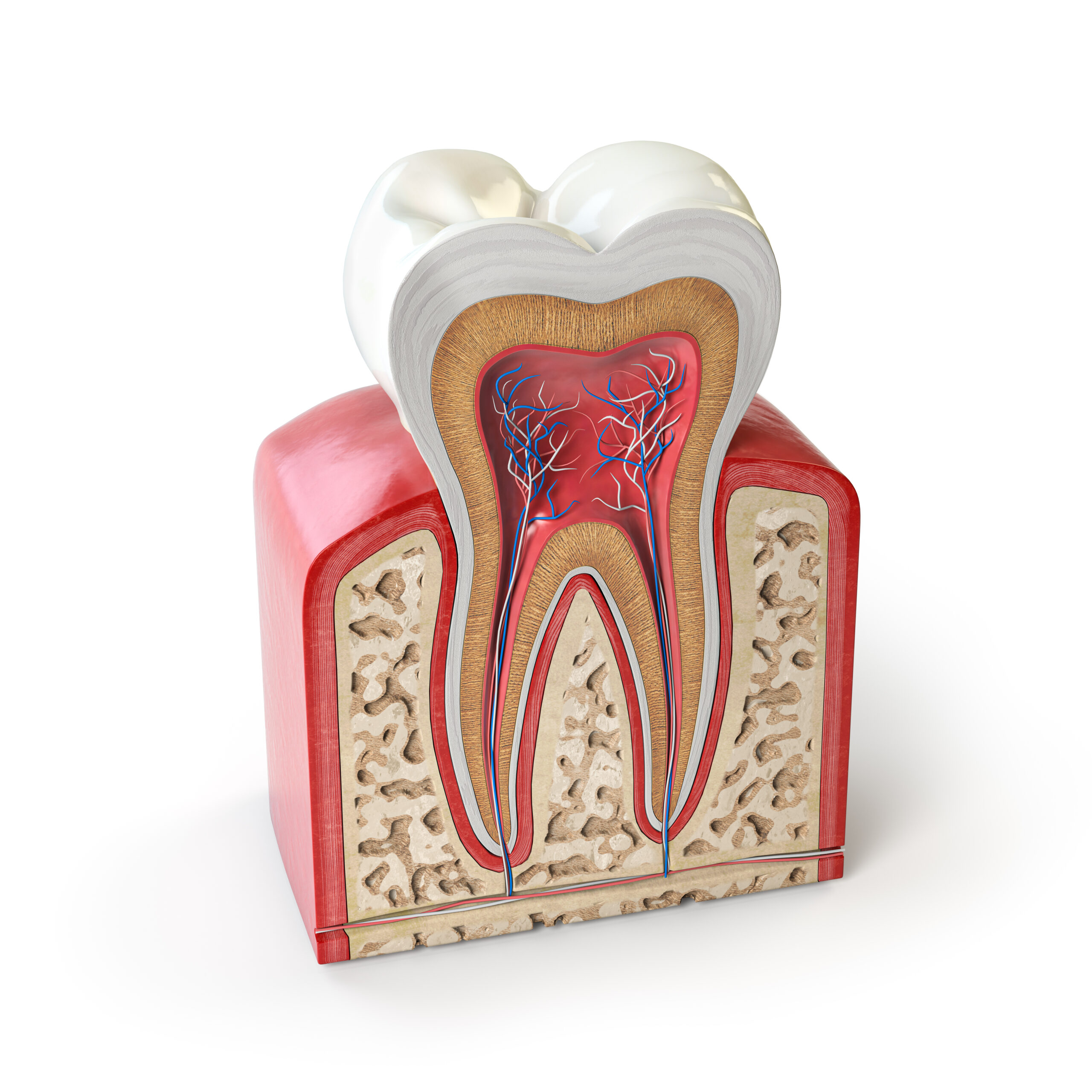
Root canal therapy, often referred to as endodontic treatment, is a dental procedure designed to save a severely infected or damaged tooth. Despite its commonality, there remains a certain level of apprehension surrounding this procedure due to misconceptions about its benefits and risks. In this comprehensive guide, we will delve into the intricacies of root canal therapy, exploring both its benefits and potential risks to provide you with a clear understanding of this vital dental procedure.
Benefits of Root Canal Therapy
- Preservation of Natural Tooth: One of the primary benefits of root canal therapy is its ability to preserve the natural tooth structure. Unlike extraction, which involves removing the entire tooth, root canal therapy aims to remove the infected or damaged pulp from within the tooth while preserving its outer structure. This helps maintain the integrity of the tooth and prevents the need for extraction.
- Pain Relief: Infected or inflamed dental pulp can cause severe pain and discomfort. Root canal therapy alleviates this pain by removing the source of infection and inflammation. Once the infected pulp is removed and the root canal is cleaned and sealed, patients typically experience relief from the intense toothache associated with pulp damage.
- Restoration of Function: A compromised tooth can hinder basic functions such as chewing and speaking. By treating the root canal infection and restoring the tooth’s structure with a crown or filling, root canal therapy enables patients to regain normal dental function. This allows for improved oral health and overall well-being.
- Long-term Solution: When performed effectively and followed by proper dental care, root canal therapy can provide a long-term solution for preserving the affected tooth. By addressing the underlying infection and sealing the root canal, this procedure significantly reduces the likelihood of future dental complications related to the treated tooth.
- Aesthetic Enhancement: Following root canal therapy, the treated tooth can be restored to its natural appearance using dental crowns or other cosmetic restorations. This not only improves the tooth’s aesthetics but also enhances the patient’s overall smile, boosting confidence and self-esteem.
Risks Associated with Root Canal Therapy
- Risk of Reinfection: While root canal therapy is designed to effectively remove infected pulp and seal the root canal, there is a small risk of reinfection over time. This can occur if the tooth is not adequately cleaned and sealed during the initial procedure or if proper oral hygiene practices are not maintained afterward.
- Fracture Risk: In some cases, a tooth that has undergone root canal therapy may become more susceptible to fractures due to the removal of its internal pulp and associated structural changes. This risk can be mitigated by reinforcing the tooth with a dental crown or other restorative measures.
- Residual Infection: Despite thorough cleaning and sealing of the root canal, some cases may involve persistent infection or the presence of bacteria in the surrounding tissues. This can lead to complications such as abscess formation or bone loss around the treated tooth.
- Tooth Discoloration: Aesthetic concerns may arise following root canal therapy, as the treated tooth can become discolored over time. This discoloration is often a result of the internal changes within the tooth and may require additional cosmetic procedures to address.
Root canal therapy remains a valuable treatment option for saving severely infected or damaged teeth, offering numerous benefits such as pain relief, preservation of natural tooth structure, and restoration of function. However, like any dental procedure, it is essential to weigh the potential risks, including the risk of reinfection, tooth fracture, residual infection, and tooth discoloration. By understanding both the benefits and risks associated with root canal therapy, patients can make informed decisions about their dental health and overall well-being.
In summary, while root canal therapy has its benefits, it’s crucial to consult with a qualified dental professional to assess individual suitability and address any concerns regarding the procedure. With proper care and maintenance, root canal therapy can provide lasting benefits and contribute to improved oral health and quality of life.