(801) 278-0840
Do You Really Need a Root Canal? Signs You Shouldn’t Ignore


Tooth pain is something we often dismiss, waiting for it to pass. However, certain types of discomfort shouldn’t be ignored, as they might indicate the need for a root canal. This procedure treats infections that affect the inner parts of the tooth, helping to relieve pain and restore dental health.
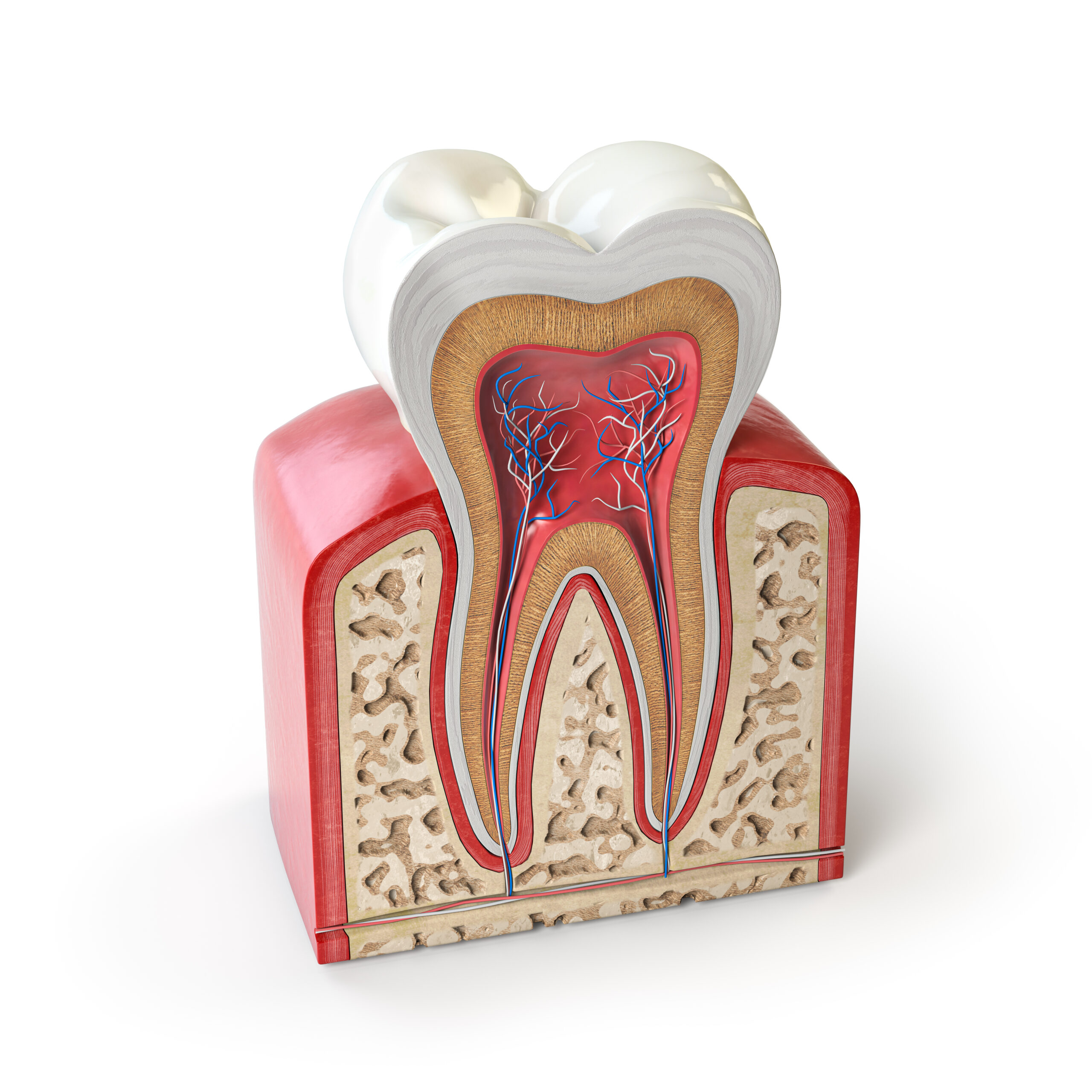
A root canal addresses infections inside the tooth’s pulp—its soft tissue that contains nerves and blood vessels. Left untreated, these infections can spread, causing more severe health issues. Let’s look at the problems a root canal solves and the critical signs that indicate you might need one.
What Problems Does a Root Canal Solve?
Root canals don’t just address tooth pain. They solve several deeper dental issues that, if left untreated, could worsen over time. Here are the main problems a root canal can fix:
Infected or Inflamed Tooth Pulp
When decay or injury reaches the tooth’s pulp, it can cause infection or inflammation. This leads to pain, swelling, and potential damage to the tooth structure.
Abscess Formation
An untreated tooth infection can result in a dental abscess, a pocket of pus that forms at the root of the tooth. Abscesses cause severe pain and swelling and may lead to the spread of infection to nearby areas.
Saving a Severely Decayed Tooth
A root canal allows the dentist to remove the infected tissue, clean the area, and seal the tooth, preserving it. Without this procedure, the tooth may need to be extracted.
Preventing Further Damage
Without treatment, tooth infections can spread to the surrounding gums, jawbone, and other teeth. Root canals help stop this progression, saving your tooth and protecting your overall oral health.
By solving these issues, a root canal not only eliminates pain but also restores normal function, allowing you to chew, bite, and speak comfortably again.
Key Signs You Need a Root Canal
Recognizing the signs that you may need a root canal can help you get treatment before the problem escalates. Here are the most common symptoms that indicate this procedure might be necessary:
Persistent Tooth Pain
Tooth pain that doesn’t go away, or comes in waves, is a strong indicator that there’s a deeper problem. Pain from an infected tooth can be sharp or throbbing, and it often worsens with pressure from chewing.
Sensitivity to Hot or Cold
If you experience lingering sensitivity when eating or drinking hot or cold items, it could be a sign that the tooth’s pulp is damaged. When the discomfort continues long after you’ve finished eating or drinking, it’s a red flag.
Swollen or Tender Gums
An infection may be indicated by swelling or soreness in the gums surrounding a particular tooth. You might also notice a small, pimple-like bump on the gums near the affected tooth, signaling an abscess.
Discoloration of the Tooth
A tooth that becomes discolored—especially if it turns a grayish or dark color—may indicate that its inner pulp has died due to infection or trauma. If the tooth cannot be saved, a root canal may be required.
Cracked or Chipped Tooth
If your tooth has cracked or chipped, even if it doesn’t hurt initially, it can lead to a pulp infection. A root canal may be required to prevent bacteria from spreading further into the tooth.
Abscess or Pus Around the Tooth
A dental abscess is a serious condition. If you notice pus draining from the gums near a tooth, or if you have bad breath or an unpleasant taste in your mouth, it’s likely that an infection has developed and is spreading.
What Happens If You Ignore the Signs?
Ignoring the signs that you need a root canal can lead to significant oral and overall health issues. If an infection inside the tooth’s pulp is left untreated, it will continue to grow, causing more damage and eventually leading to tooth loss. But the problem doesn’t stop there—an untreated tooth infection can also spread to the surrounding tissue, jawbone, and even other parts of your body.
Here are the potential risks of ignoring root canal symptoms:
Worsening Infection
As the bacteria spread, they can cause greater pain, swelling, and infection in other areas of the mouth, including the jaw.
Tooth Extraction
If the infection causes too much damage, the only option may be to remove the tooth entirely. Losing a tooth can lead to further complications, including shifting teeth and changes in bite alignment.
Impact on Overall Health
Untreated infections can affect your overall health, leading to serious issues such as heart disease, stroke, or infections in other organs due to bacteria entering the bloodstream.
The key takeaway is this: If you’re experiencing the signs of a root canal, don’t wait, go to a dentist. Prompt action can save your teeth, relieve your pain, and protect your health.
Dental health is critical, and paying attention to the signs your body gives you can prevent more severe issues in the future. Persistent pain, swelling, and sensitivity should never be ignored. If you’re experiencing any of the symptoms mentioned, it may be time to schedule a dental appointment.
At Cottonwood Dental, we’re here to provide the care you need to maintain your smile and protect your health. Don’t let dental issues go untreated—reach out today and take the first step toward relief and recovery!