(801) 278-0840
Does Your Tooth Hurt Even After Root Canal?


A root canal is designed to relieve pain by removing infection from inside a tooth. For most patients, discomfort improves significantly after treatment and continues to fade as healing progresses. However, some people notice that their tooth still hurts days, weeks, or even months later. This can be confusing and concerning, especially when the procedure was meant to eliminate pain.
Understanding why discomfort can persist after a root canal helps patients distinguish normal healing from conditions that may require professional evaluation.
Is Pain After a Root Canal Normal?
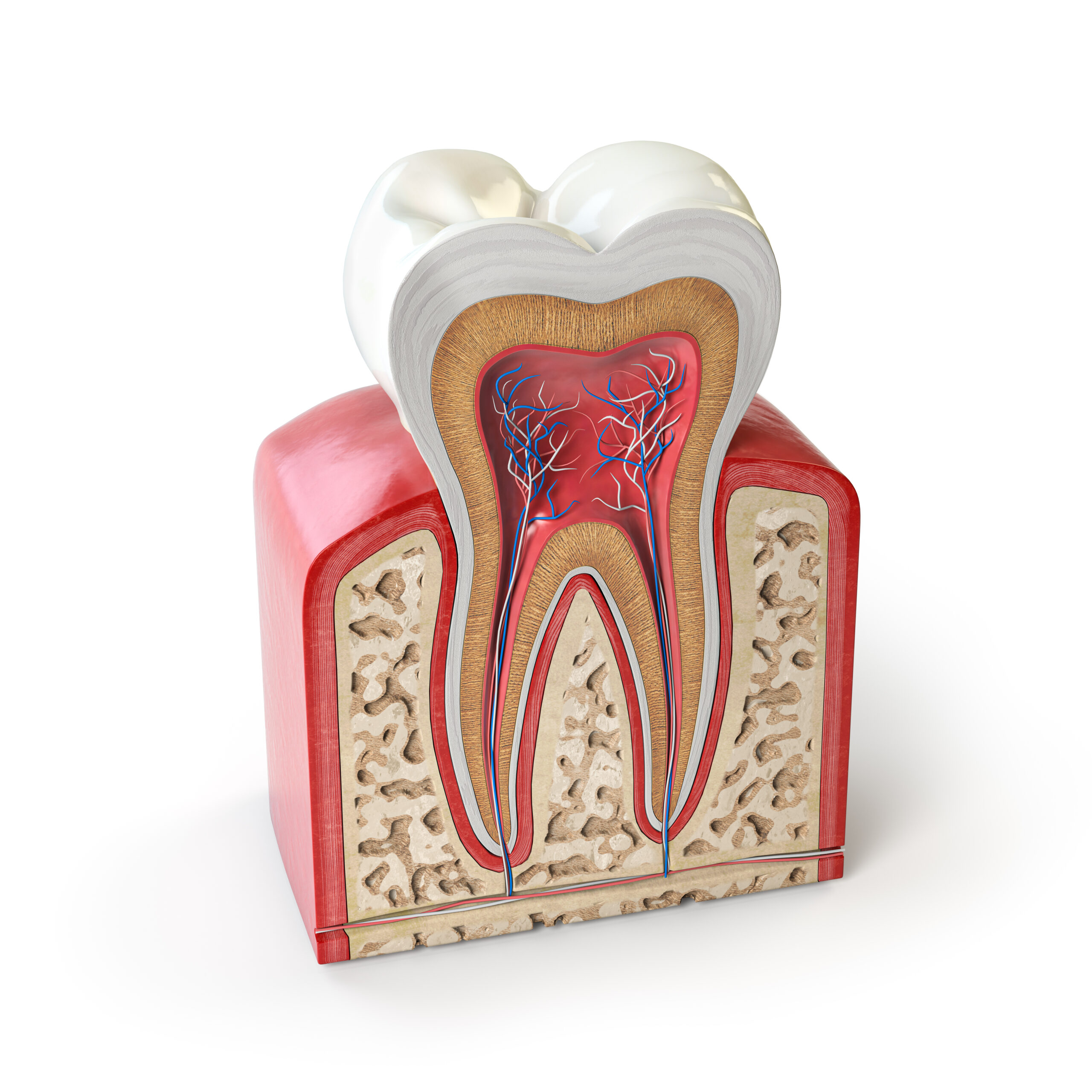
Mild tenderness after treatment is common and usually temporary. During root canal treatment, the dentist cleans infected tissue from inside the tooth and seals the canal system. Even though the nerve is removed, surrounding tissues — including the ligament and bone around the root — may remain inflamed for a short time.
Typical healing sensations may include:
- sensitivity when biting
- soreness around the tooth
- mild gum tenderness
- pressure discomfort
These symptoms usually improve within a few days to a couple of weeks as inflammation resolves.
Reasons a Tooth May Hurt After a Root Canal
When pain persists or returns, there may be an underlying cause that requires attention. Several factors can contribute to ongoing discomfort.
Inflammation of Surrounding Tissues
Even after the infection is removed, the tissues around the root tip may stay inflamed for some time. This is similar to how other parts of the body remain sore after healing from infection or injury.
In most cases, this improves gradually without additional treatment.
Bite Imbalance or Pressure
After a root canal, the treated tooth may feel slightly raised or sensitive to pressure for a short time. If biting forces are uneven, the tooth may experience excessive stress during chewing.
This can lead to:
- pain when biting down
- lingering soreness
- pressure sensitivity
A simple bite adjustment often resolves this type of discomfort.
Residual or Persistent Infection
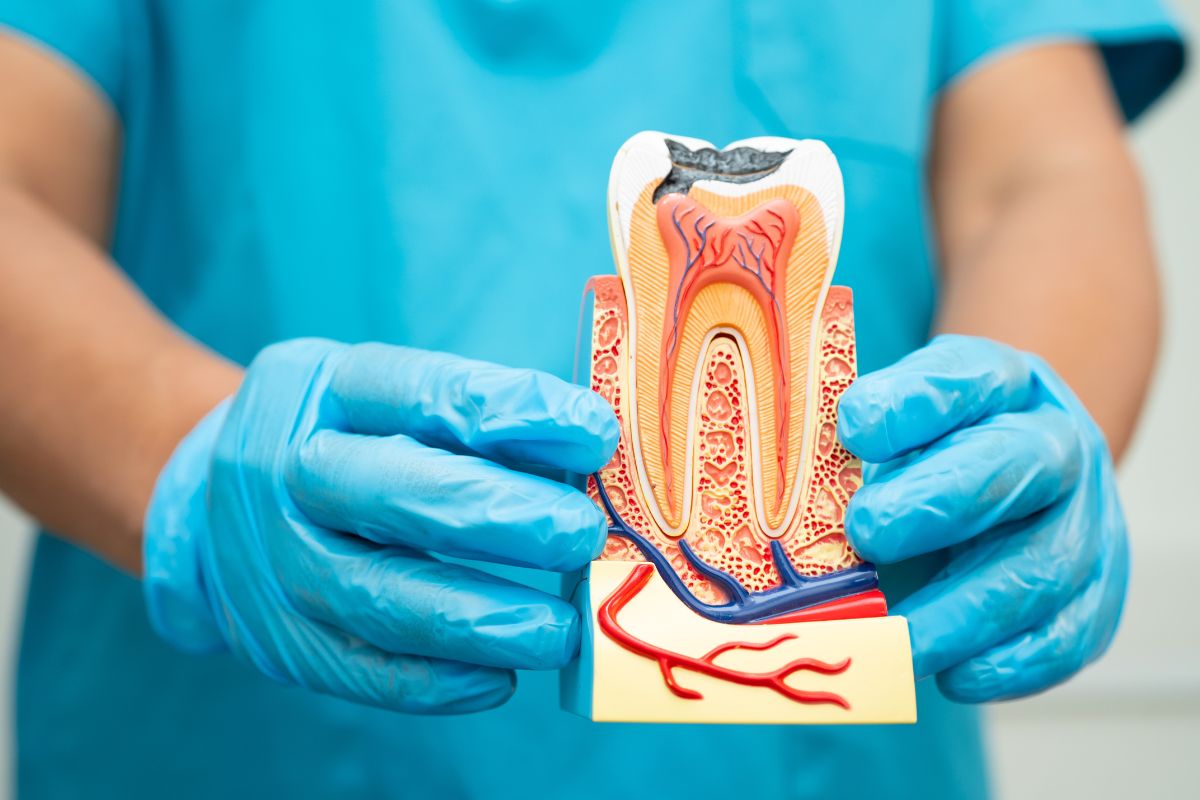
In some situations, bacteria may remain in tiny accessory canals or complex root anatomy. If infection persists, symptoms may continue or return after initial improvement.
Signs may include:
- throbbing pain
- swelling
- gum tenderness
- sensitivity to pressure
If infection persists after root canal treatment, further evaluation may be necessary to ensure the tooth heals properly.
Delayed Healing of Bone
The bone surrounding the root tip must be repaired after infection. This process can take months. During this period, mild discomfort may occur, especially when chewing.
As long as symptoms are gradually improving, this often reflects normal healing rather than failure.
Tooth Fracture or Structural Issues
A tooth that needed a root canal was often already weakened by decay or trauma. If the tooth develops cracks or structural stress, pain may continue even after the nerve is removed.
This pain often appears as:
- Sharp pain when biting
- discomfort on release
- sensitivity during chewing
Properly restoring the tooth helps prevent this complication.
When Should You Be Concerned?
While mild soreness can be normal, certain symptoms suggest the tooth should be re-evaluated:
- pain that worsens over time
- swelling or pimple-like bumps on the gums
- persistent biting pain
- throbbing or pressure
- Symptoms lasting many weeks
These signs may indicate infection, bite imbalance, or structural problems that require attention.
How Persistent Root Canal Pain Is Treated
Management depends on the cause. Dentists evaluate healing using clinical exam and imaging to determine the source of discomfort.
Possible solutions may include:
- bite adjustment
- medication for inflammation
- monitoring healing
- retreatment if infection remains
- protective restoration
Most cases of post-root canal discomfort can be resolved once the underlying cause is identified.
Supporting Healing After Root Canal
Patients can help their recovery by:
- avoiding chewing on the treated tooth initially
- maintaining oral hygiene
- attending follow-up visits
- completing recommended restoration
- reporting persistent symptoms
Proper protection and monitoring greatly improve long-term success.
A Comfortable Tooth After Root Canal Is the Goal
A root canal is intended to remove infection and restore comfort. While mild soreness during healing is expected, ongoing pain is not something patients should ignore. Persistent discomfort usually has an identifiable cause, and early evaluation helps protect the tooth and surrounding tissues.
At Cottonwood Dental, our team carefully evaluates post-treatment symptoms to ensure your tooth heals properly and remains healthy long-term. If you’re experiencing continued discomfort after a root canal, schedule an appointment with us for a thorough assessment and personalized care to restore comfort and confidence in your smile.
FAQs
1. How long does tenderness last after a root canal?
Mild tenderness after a root canal is common and typically lasts a few days. The surrounding tissues around the treated tooth may remain slightly inflamed as they heal, but discomfort usually improves quickly.
2. Is it normal for a tooth to feel sensitive when biting after treatment?
Yes, some sensitivity when biting or chewing can occur temporarily after treatment. This often relates to the healing of the ligament around the tooth rather than the inner tooth itself.
3. When should I be concerned about pain after a root canal?
You should contact your dentist if pain worsens after a few days, swelling develops, or the tooth feels high when you bite. These signs may indicate bite imbalance or lingering inflammation.
4. Can a root canal fail and cause ongoing discomfort?
Although uncommon, persistent pain may occur if the infection remains or the tooth does not heal properly. Evaluation helps determine whether additional care is needed.
5. How can I reduce discomfort while the tooth heals?
Avoid chewing hard foods on the treated side, maintain good oral hygiene, and follow your dentist’s after-care instructions. This supports healing and minimizes irritation.