(801) 278-0840
Root Canal Treatment: Procedure, Benefits, Cost, and Recovery


A Root Canal Treatment is a dental procedure aimed at saving a tooth that is badly infected or decayed. It involves removing the infected pulp inside the tooth, cleaning the root canals, and sealing them to prevent further infection. The procedure is often misunderstood, with many patients associating it with pain and discomfort.
However, modern techniques have made root canal treatment painless and highly effective, helping save millions of teeth every year. According to the Cleveland Clinic, around 15 million root canal treatments are performed annually by endodontists and dentists in the United States.
In this blog, we will explain the root canal procedure, the benefits of the treatment, the cost, and recovery steps to help you better understand the process and make an informed decision.
Table of Contents
- What is a Root Canal Treatment?
- How the Root Canal Procedure Works
- Benefits of Root Canal Treatment
- Cost of Root Canal Treatment
- Recovery After Root Canal Treatment
- When to See a Dentist for Root Canal Treatment
- Conclusion
- Frequently Asked Questions (FAQs) of Root Canal Treatment
What is a Root Canal Treatment?
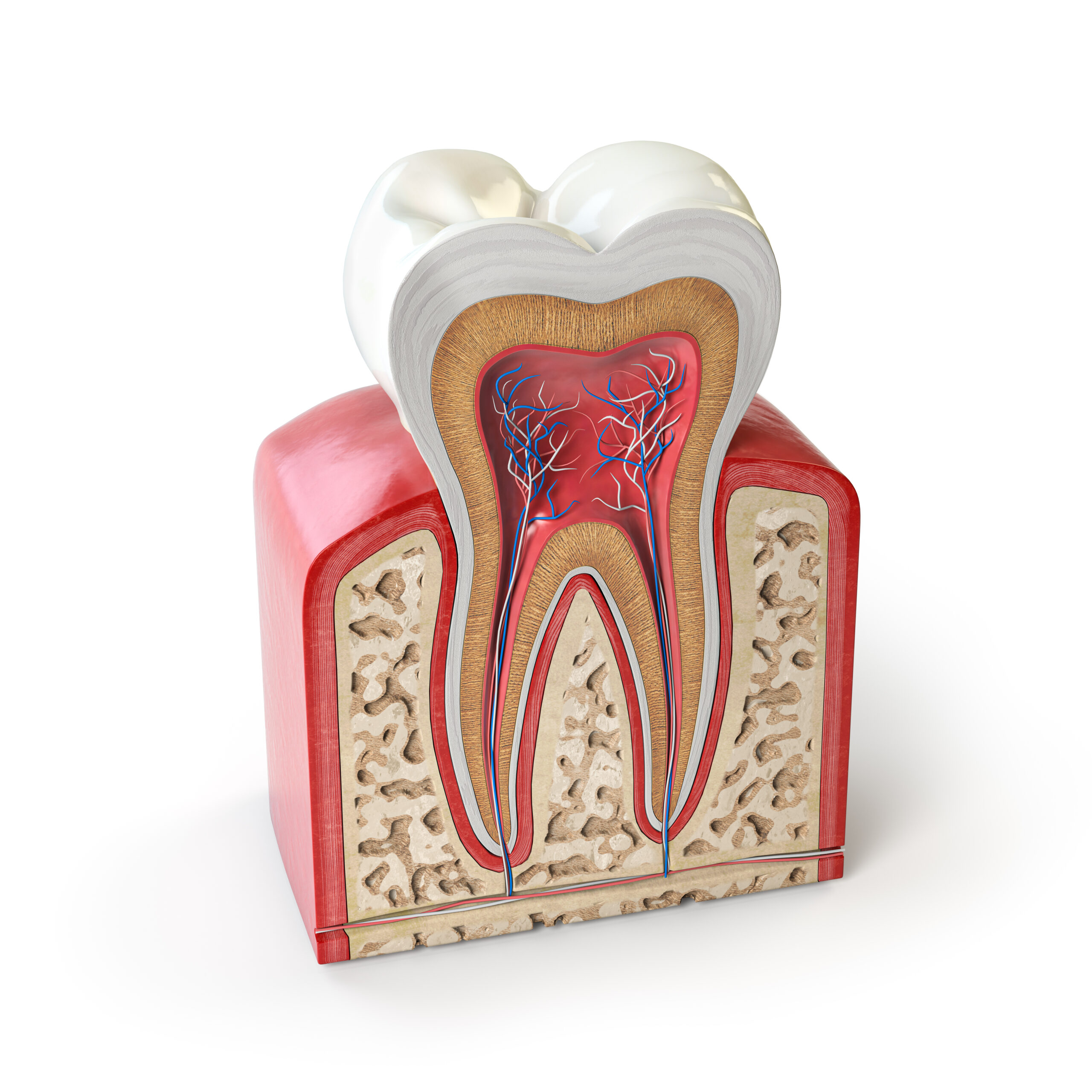
A root canal is a treatment to repair and save a tooth that is severely decayed or infected. The procedure involves the removal of the tooth pulp, which contains blood vessels, nerves, and connective tissue.
When this pulp becomes infected or damaged, it can cause intense pain and lead to further complications. Root canal treatment is usually recommended when the infection has reached the nerve of the tooth, causing a deep toothache or an abscess.
Without treatment, the infection can spread, leading to tooth loss. Fortunately, root canal therapy can preserve the natural tooth structure and prevent the need for extraction.
How the Root Canal Procedure Works
The root canal procedure consists of several critical steps to ensure that the tooth is saved and properly restored. Here’s a breakdown of what happens during the treatment:
Step 1: Diagnosis and Preparation
Before starting the procedure, the dentist will take an X-ray to examine the tooth and surrounding bone structure. This will help determine the extent of the infection or damage and guide the treatment plan.
A local anesthetic is applied to the affected area to numb the tooth and surrounding tissues, ensuring a pain-free procedure.
Step 2: Accessing the Tooth and Removing the Infected Pulp
Once the tooth is numb, the dentist will make a small opening in the crown of the tooth (the top portion that is visible in the mouth). This allows the dentist to access the tooth pulp and remove any infected tissue.
Specialized tools are used to carefully clean out the pulp and disinfect the canals to prevent further bacterial growth.
Step 3: Cleaning and Shaping the Root Canals
After removing the pulp, the dentist will clean and shape the root canals to remove any remaining debris or infection.
This step is essential to ensure the tooth is fully disinfected and that there are no bacteria left behind. The root canals are carefully shaped to ensure that they are the correct size and shape for filling.
Step 4: Filling the Root Canals
Once the root canals are thoroughly cleaned and shaped, the dentist will fill them with a material called gutta-percha, which is a rubber-like substance that seals the canals and prevents future infection.
This step is essential to ensure that bacteria cannot re-enter the tooth.
Step 5: Sealing the Tooth
Once the root canals are filled, the tooth is sealed with a temporary or permanent filling. After the sealing, the tooth may need a crown or cap to restore its full function and protect it from further damage.
A crown is usually recommended, especially for molars, as they undergo significant pressure when chewing. The root canal procedure generally takes about 1 to 2 hours to complete, depending on the tooth’s complexity and whether it’s a front tooth or a molar.
| Also Read This Blog – Essential Signs You Might Need A Root Canal |
Benefits of Root Canal Treatment
Root canal treatment offers a range of significant benefits for patients facing a damaged or infected tooth. Here are the key advantages:
1. Pain Relief
One of the most immediate benefits of a root canal is pain relief. The procedure eliminates the infection and removes the source of pain—the inflamed pulp inside the tooth.
Many patients experience immediate relief from symptoms after the treatment.
2. Saves Your Natural Tooth
The primary goal of a root canal is to save the natural tooth. By removing the infected pulp and cleaning the root canal, the dentist can prevent the need for an extraction.
Keeping your natural tooth is important for maintaining a healthy bite and protecting the structure of your jawbone.
3. Long-Term Durability
With proper restoration (e.g., a crown), a treated tooth can last for many years. Root canal-treated teeth are highly durable and can function just like a natural tooth.
This allows patients to eat, speak, and smile without the fear of their tooth being compromised.
4. Prevents Further Infection
A root canal not only resolves the current infection but also prevents it from spreading to nearby teeth or gums.
Without treatment, the infection can spread, leading to abscesses, tooth loss, or more serious complications like bone damage.
5. Aesthetic and Functional Preservation
Root canal treatment preserves the tooth’s functionality and appearance. Once the tooth is restored with a crown, it will look and function just like any other tooth.
This is crucial for maintaining the aesthetics of your smile, especially if the tooth is in a visible area.
Cost of Root Canal Treatment
The cost of root canal treatment varies depending on several factors. While the price may seem steep initially, root canal therapy is a cost-effective solution compared to the alternatives, like tooth extraction followed by a dental implant or bridge.
Factors That Influence the Cost of Root Canal Treatment:
- Tooth Location:
Front teeth (incisors and canines) are generally easier to treat and cost less than molars, which have more complex roots and may require more time and expertise. - Extent of Infection:
If the infection is severe and has spread to the surrounding tissue, additional procedures like an apicoectomy (surgical root canal) may be needed, raising the cost. - Restoration Type:
After a root canal, the tooth may need a crown or filling. Crowns are typically more expensive than fillings, especially if you opt for a porcelain or gold crown. - Insurance Coverage:
Many dental insurance plans cover root canal treatment, but they may have limits on how much they will pay. It’s important to check with your insurance provider for specific details.
On average, the cost of a root canal ranges from $500 to $1,500 per tooth. The cost of a crown (if required) can add another $800 to $2,000. If you don’t have insurance, many dental offices offer financing options or payment plans to help manage the cost.
Recovery After Root Canal Treatment
The recovery after a root canal is typically quick and uncomplicated, but there are a few things you should keep in mind to ensure the best outcome:
1. Post-Procedure Discomfort
It’s normal to experience mild discomfort, soreness, or swelling for the first few days after the procedure. Over-the-counter pain medications like ibuprofen or acetaminophen can help alleviate these symptoms.
Most patients report that any discomfort is significantly less than the pain caused by the infection before treatment.
2. Avoid Chewing on the Treated Tooth
Until the permanent crown is placed, avoid chewing directly on the treated tooth to prevent it from becoming fractured.
A temporary filling may be placed to seal the tooth until the final restoration is completed.
3. Follow-up Appointments
In most cases, patients will need to return to the dentist after about 1 to 2 weeks for a follow-up appointment.
During this visit, the dentist will check the healing progress and address any concerns.
4. Long-Term Care
Once the root canal is completed and the tooth is restored, it’s essential to maintain good oral hygiene practices, including brushing, flossing, and regular dental checkups.
This will ensure that the tooth remains healthy and that the surrounding gums and teeth are free of infection.
When to See a Dentist for Root Canal Treatment
You should visit a dentist if you notice the following symptoms, as they may indicate the need for a root canal:
1. Severe Tooth Pain
Pain, especially when chewing or touching the tooth, is a common sign of tooth infection or pulp damage that may require a root canal.
2. Swelling and Tenderness in the Gums
If your gums become swollen, red, or tender, it could be a sign of infection. Sometimes, an abscess (a pus-filled pocket) forms around the infected tooth.
3. Tooth Discoloration
A darkened or grayish tooth indicates that the pulp has died, which often requires a root canal to save the tooth.
4. Persistent Bad Taste or Odor
If you notice a bad taste or odor in your mouth, it may be a sign of infection or abscess formation. A root canal can clear up the infection and eliminate the smell or taste.
Conclusion
Root canal treatment is an essential and highly effective dental procedure designed to save your natural tooth, relieve pain, and restore your dental function. If you’re experiencing tooth pain or suspect that you may need a root canal, it’s important to seek treatment promptly. By preserving your natural teeth, you can avoid more costly and invasive procedures in the future.
At Cottonwood Dental, we offer modern root canal treatments in Salt Lake City, Utah, using the latest technology to ensure a pain-free experience and long-lasting results.
Schedule an appointment with our expert dental team in Salt Lake City, Utah.
Frequently Asked Questions (FAQs) of Root Canal Treatment
1. How painful is a root canal treatment?
Modern root canal treatments are virtually painless due to the use of local anesthesia. Most patients report minimal discomfort after the procedure.
2. How long does the root canal procedure take?
A typical root canal procedure takes about 1 to 2 hours, depending on the complexity of the case.
3. Can a root canal treatment fail?
Although its rare, but still it is possible for a root canal treatment to fail if the infection wasn’t fully cleaned or if bacteria re-enter the tooth. If this happens, additional treatment may be required.
4. How long does recovery take after a root canal treatment?
Recovery from a root canal usually takes a few days. Patients may experience mild soreness, which typically subsides within 1-2 days.
5. Is a root canal treatment worth it?
Yes. Root canals treatments are highly effective at preserving your natural tooth, relieving pain, and preventing further damage to your mouth.