(801) 278-0840
Do Root Canals Hurt? What to Expect Before, During, and After

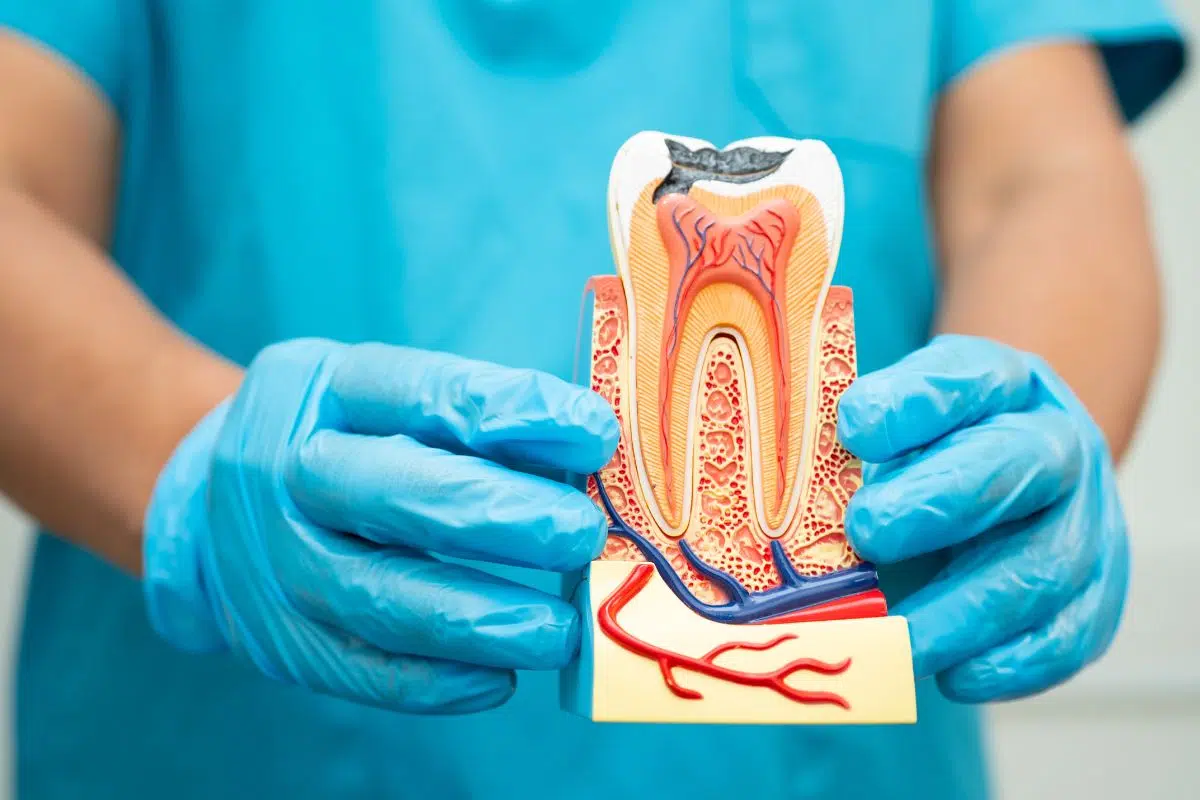
Few dental procedures create as much anxiety as root canals. For many people, the term alone brings up images of pain and discomfort. In reality, modern dentistry has changed that experience significantly. Today, root canals are designed to relieve pain—not cause it. Understanding what actually happens before, during, and after the procedure can help ease concerns and allow you to approach treatment with confidence.
In this blog, we’ll walk you through the entire process, explain what normal sensations are, and clarify common misconceptions, especially for patients considering root canals in Salt Lake City and its surrounding areas.
Why Root Canals Have a Bad Reputation
Root canals earned their painful reputation decades ago, when dental techniques, anesthesia, and technology were far less advanced. At that time, discomfort during and after treatment was more common. Today, improved numbing agents, precise imaging, and refined techniques have transformed the procedure into a predictable and comfortable experience for most patients.
In fact, the pain people associate with root canals usually comes from the infection or inflammation already present, not the procedure itself. The purpose of treatment is to remove the infected tissue and eliminate the pain.
What to Expect Before a Root Canal
Before treatment begins, your dentist will thoroughly evaluate your tooth. This typically includes X-rays to assess the extent of infection and confirm that a root canal is the appropriate solution. At this stage, patients often experience symptoms such as:
- Persistent toothache
- Sensitivity to hot or cold
- Swelling or tenderness in the gums
- Pain when biting or chewing
These symptoms can cause understandable anxiety, but knowing what’s ahead helps reduce stress. Before starting, the area around the tooth is numbed with local anesthesia. This ensures that you remain comfortable throughout the procedure. Many patients are surprised by how routine and calm the experience feels once numbness sets in.
Does a Root Canal Hurt?
This is the most common question—and the answer for most patients is no.
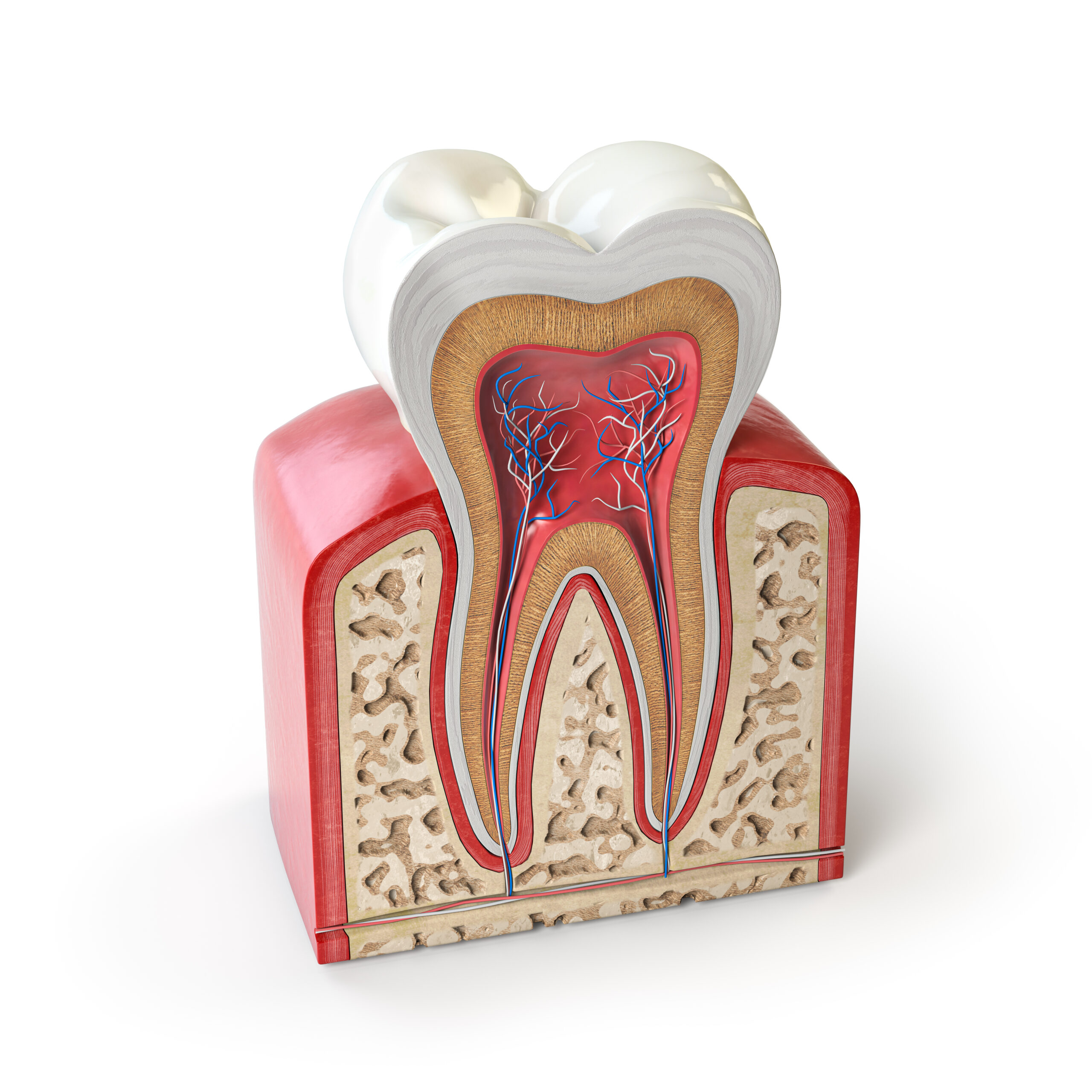
During a root canal, the infected or damaged pulp inside the tooth is carefully removed. Because the tooth and surrounding area are fully numbed, you should feel little to no pain. You may notice pressure or vibration, similar to having a cavity filled, but not sharp discomfort.
Advancements in dental tools and techniques allow dentists to work efficiently and precisely, reducing treatment time and minimizing irritation. For patients who feel anxious, clear communication and a gentle approach can make a significant difference. Modern root canals are often no more uncomfortable than standard dental procedures.
What Happens After the Procedure?
After the numbness wears off, mild soreness or tenderness is normal for a few days. This is typically due to the healing tissues around the tooth rather than the tooth itself. Most patients describe this discomfort as manageable and far less intense than the pain they felt before treatment.
Common post-treatment experiences include:
- Mild sensitivity when chewing
- Slight swelling or tenderness
- Temporary jaw soreness from keeping the mouth open
Over-the-counter pain relievers are usually sufficient to manage these symptoms. Within a few days, discomfort fades as the area heals, and many patients feel immediate relief from the deep tooth pain they had before.
How Root Canals Actually Relieve Pain
It’s important to understand that root canals don’t cause pain—they remove the source of it. Tooth pain often comes from infected pulp trapped inside a rigid structure, creating pressure and inflammation. By removing the infection, root canals allow the tooth to heal and restore comfort.
For patients seeking root canals in Salt Lake City, education and reassurance are key. Knowing that the procedure is designed to stop pain—not create it—can make a world of difference in how patients feel walking into the appointment.
Long-Term Comfort and Recovery
Once healing is complete, the treated tooth can function normally. With proper care and oral hygiene, a tooth that has undergone a root canal can last many years. Patients often report improved quality of life, better sleep, and restored confidence once chronic tooth pain is resolved.
Maintaining good dental habits—brushing, flossing, and regular checkups—plays an essential role in preventing future infections and keeping treated teeth healthy.
Separating Myths from Reality
One of the biggest myths about root canals is that they are inherently painful. In reality, most patients say the procedure was much easier than expected. Another misconception is that recovery is long and difficult. For most people, recovery is straightforward and short-lived.
Understanding the facts empowers patients to make informed decisions about their oral health without fear holding them back.
A More Comfortable Path to Relief Starts Here
If tooth pain has been interfering with your daily life, it’s important to know that relief is possible. With today’s techniques, root canals are a safe, effective, and comfortable way to address infection and protect your natural tooth. Our dental clinic in Salt Lake City is committed to guiding patients with clarity, compassion, and personalized care at every step.
At Cottonwood Dental, we take a thoughtful, patient-first approach to dental care, focusing on comfort, education, and long-term oral health. If you’re experiencing persistent tooth pain or have concerns about root canals, we’re here to help you feel informed and at ease. Schedule an appointment today and take the first step toward lasting relief and a healthier smile.