(801) 278-0840
How Soon Can I Work After Getting a Root Canal?


Root canal treatment can be a daunting prospect for many, but understanding the recovery process can ease some of the anxiety. One of the most common concerns people have is how soon they can return to their normal routine, including work, after the procedure. Let’s break down the recovery timeline and what you can expect post-root canal so you can plan accordingly.
What to Expect After a Root Canal
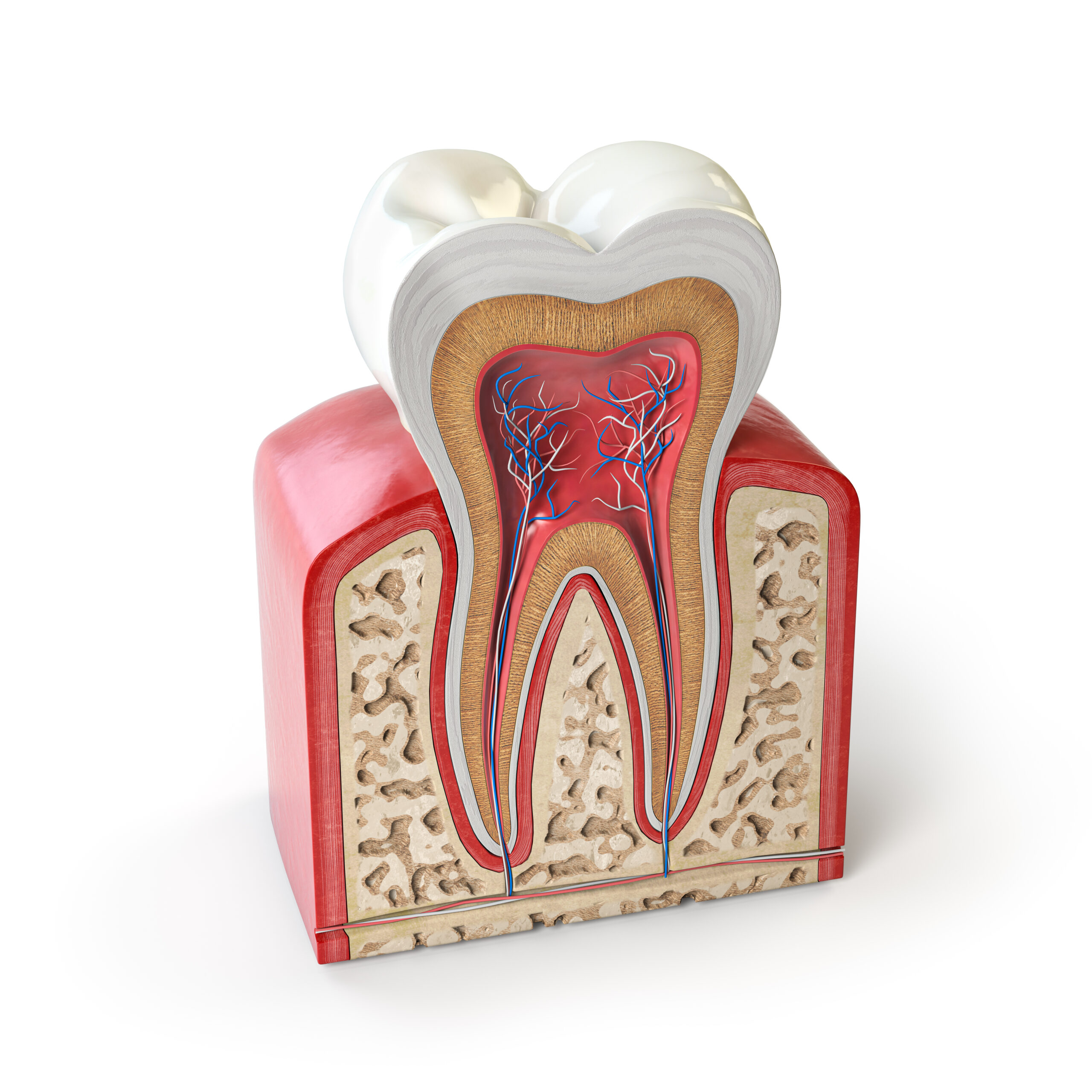
During a root canal, the dentist removes the infected or inflamed pulp from the tooth, cleans the canals, and seals them to prevent further infection. While local anesthesia is used during the procedure to ensure comfort, mild soreness, tenderness, or swelling around the treated area is common once the anesthesia wears off.
Most patients report that any post-treatment discomfort is manageable with over-the-counter pain medications. Your dentist may provide specific instructions tailored to your case, including dietary adjustments, oral hygiene tips, and activity restrictions. Our experienced team is dedicated to providing patient-centered care at every stage of your treatment, making sure your root canal in Salt Lake City is comfortable, precise, and customized to your unique needs.
Immediate Aftercare: The First 24 Hours
After the procedure, your mouth will likely feel numb for a few hours due to local anesthesia. As the numbness wears off, some discomfort or mild pain is common. This can usually be managed with over-the-counter pain medications like ibuprofen or acetaminophen. Your dentist might also prescribe stronger pain relief if needed.
During the first 24 hours:
- Avoid eating until the numbness subsides to prevent accidentally biting your cheek or tongue.
- Stick to soft foods and avoid chewing on the treated side to minimize irritation.
- Avoid strenuous activities that could increase blood flow and swelling around the treated area.
Returning to Work
Many people can return to work the day after their root canal. The key factors to consider are:
- Type of Work: If your job involves minimal physical activity and speaking, such as office work, you can likely return to work the next day. However, if your job is physically demanding or involves heavy lifting, it might be wise to take an additional day off to avoid complications.
- Pain Management: Ensure you have a plan for managing pain at work. Bringing pain relievers and taking them as prescribed can help you stay comfortable throughout the day.
- Swelling and Sensitivity: Some swelling and sensitivity might persist for a few days. This is normal and shouldn’t hinder most work activities, but it’s something to be mindful of.
When to Consider More Time Off
In certain cases, you might need more time to recover:
- Complications: If your root canal was particularly complex or if there were complications, your dentist might recommend taking a few days off.
- Discomfort: Everyone’s pain tolerance is different. If you experience significant discomfort, it might be beneficial to rest at home for an extra day.
- Additional Procedures: Sometimes, a temporary filling is placed after a root canal, and a permanent crown or filling is applied later. If you need to return for additional dental work, plan your work schedule accordingly.
Long-Term Care and Follow-Up
After the initial recovery, maintaining good oral hygiene is crucial. Follow your dentist’s instructions regarding brushing, flossing, and any specific care for the treated tooth. Attend any follow-up appointments to ensure proper healing and address any concerns.
Final Thoughts
A root canal is an effective way to save a tooth while relieving pain and preventing further infection. In most cases, patients can return to work either the same day or within 24 hours, depending on the complexity of the procedure, the type of work, and individual recovery rates. Listening to your body and following your dentist’s instructions are key to a smooth and comfortable return to your daily routine. At Cottonwood Dental, our experienced team is dedicated to providing patient-centered care, ensuring every root canal is comfortable, precise, and tailored to your individual needs
Schedule an appointment to discuss your treatment options, recovery expectations, and tips for a pain-free return to work.
At our dental clinic, we take pride in providing expert, patient-centered care that ensures every step of your root canal in Salt Lake City is comfortable, informed, and tailored to your needs.
Frequently Asked Questions
1. Can I return to work the same day after a root canal?
Many patients wonder how soon they can resume work after the procedure. Recovery varies depending on the complexity of the treatment and individual healing. Most people can go back to their routine the next day, while some may feel comfortable even the same day. It’s important to follow your dentist’s guidance for optimal recovery.
2. How long does it take to recover from this dental procedure?
Recovery time depends on factors such as the tooth treated, the extent of infection, and your body’s healing response. Mild discomfort is normal for a few days, and over-the-counter pain relief usually manages it well. Paying attention to your body and following post-treatment instructions will help speed healing.
3. Can I drive myself home after treatment?
Local anesthesia used during the procedure may temporarily affect coordination or alertness. While many patients can drive safely afterward, some may feel drowsy or uncomfortable. Having a friend or family member accompany you is a cautious approach, especially after a longer or more complex procedure.
4. What can I expect in terms of discomfort or pain after the procedure?
Some tenderness or mild swelling is common in the first few days. Over-the-counter pain relievers usually provide adequate relief. Severe or prolonged pain is uncommon, but if it occurs, contacting your dentist promptly ensures any complications are addressed quickly.
5. Are there activity restrictions after the procedure?
Patients are generally advised to avoid strenuous activities for the first 24–48 hours. Heavy lifting or intense exercise might increase discomfort or swelling. Light daily activities are typically safe, but it’s best to ease back into your normal routine gradually.